Rubbish Removal Services in your local area
Rubbish Removal Services provides a practical waste collection service for homes and businesses that need unwanted items taken away in an organised way. The focus is on clearing rubbish, bulky waste and mixed loads safely, with sensible attention to sorting, loading and disposal. If you need a straightforward service for everyday clutter, end-of-tenancy waste, household items or light commercial clearances, our approach is designed to keep the process simple from first contact to final removal.
We handle a range of common waste types, from general rubbish and broken household items to furniture, garden waste and certain commercial clearances. For many customers, the main advantage is having one team deal with the lifting, transport and disposal planning instead of arranging several separate collections. Clear communication matters here, so we describe the likely scope carefully and keep the work aligned with the load you actually need removed.
If you are comparing options, the best place to start is the work itself: what is being removed, how much there is, and whether the items can be lifted easily from the property or access point. Pricing and quotes are usually easier to discuss once those details are clear, and a concise description of the load helps us point you toward the right service. If you are ready to talk through the job, please request a quotation.
Household rubbish removal and bulky item collection
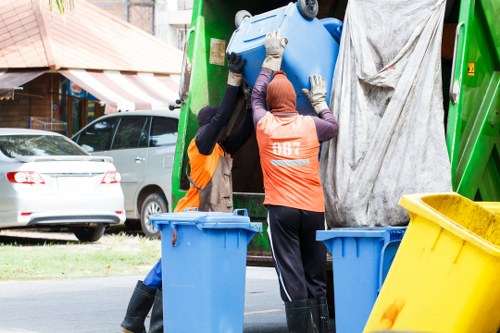
Household rubbish removal is often about making a room, loft, garage or driveway usable again without turning the day into a long clean-up project. We remove mixed domestic waste, awkward bags, broken items and bulky pieces that are hard to fit into a normal bin collection. The work suits clear-outs after a move, a refurbishment or a simple declutter, and it is especially useful when several item types need taking away together.
Where the load includes larger pieces, our bulky waste collection service helps with items that are too heavy, too large or too awkward for ordinary handling. That can include furniture, bed frames, mattresses and similar household items, provided they are ready for removal and suitable for the collection method agreed. We also handle large item collection where a single object or a small number of oversized pieces are the main part of the job.
For customers deciding what to book, it helps to separate the waste into three simple groups: loose rubbish, bulky items and any material that may need special handling because of weight, shape or composition. A short written description is often enough to begin with. Photos can help when the contents are mixed or access is tight, while a basic list makes it easier to estimate whether the job is best treated as a small clearance or a fuller load.
Furniture, sofas and mattresses

Furniture removal is a common part of rubbish clearance because old items tend to be heavy, awkward and difficult to move safely without the right equipment. We can take away sofas, chairs, tables, cabinets and other household furniture that is no longer needed. Where items are still structurally sound but simply no longer wanted, the collection process is often quicker and cleaner than leaving them in a hallway or outside for an unpredictable pickup.
Related items such as sofas and mattresses are often booked as a separate group because they require clear identification before collection. Our sofa removal and mattress disposal pages cover those item types more directly, while furniture disposal is a sensible option when the load is mainly domestic furniture rather than general rubbish. In some cases, a mixed collection is more efficient than splitting the work into several visits.
When preparing a quotation, it is helpful to note whether items are upstairs, in a loft, in a basement or already outside. That detail affects the amount of lifting and the best sequence for the work, but it does not need to become complicated. If you are unsure whether a piece should be booked as furniture or general waste, tell us what it is made of and how many items there are. Accuracy at this stage keeps the collection matched to the actual load.
Garden waste, green cuttings and outdoor clearance
Garden waste clearance is suited to branches, hedge trimmings, leaves, grass cuttings, soil-contaminated green waste and mixed outdoor debris after pruning or landscaping. We also deal with general garden clearances when the task includes old plant pots, broken fencing, shed contents or other outdoor clutter that has built up over time. The aim is to clear the space efficiently while keeping the load organised for suitable disposal or recycling routes.
For more specific outdoor jobs, garden waste clearance is the main option when the waste is mostly organic, while garden clearance is useful when the job extends beyond cuttings into broader tidying. If the outdoor area contains mixed debris from renovation or maintenance, it may be better treated as a general waste clearance job rather than a purely green-waste collection. We also consider whether the waste is bagged, bundled or loose, as that affects loading time.
Outdoor clearances tend to work best when the customer gives a broad idea of volume rather than trying to classify every small piece. A few sentences about the main materials, whether there is garden access from the side or rear, and whether the load is stacked neatly can make the quotation more accurate. If you are planning seasonal tidying, a remodel or a post-storm clear-up, it is worth setting out the waste type early so the collection plan stays realistic.
Builders waste and renovation debris
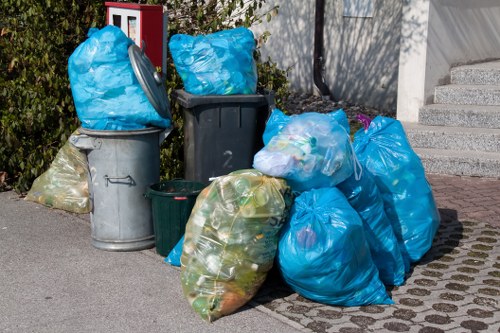
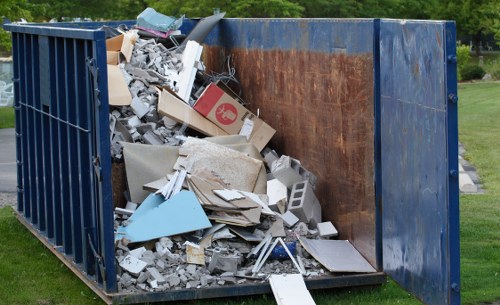
Builders waste clearance deals with the sort of heavy, dusty and awkward material that comes from home improvements, repairs and strip-outs. Typical loads can include plasterboard, timber, packaging, broken fixtures, tiles and general renovation debris. The service is useful when a project produces more waste than ordinary household bins can manage, or when a site needs cleared so the next stage of work can begin without obstruction.
Where construction-related waste is the main focus, our builders waste clearance page covers that category directly. Mixed loads may also overlap with rubbish clearance if the waste includes both renovation debris and general unwanted items from the property. For commercial premises, a separate commercial waste collection approach can be more suitable if the material comes from an office, shop or ongoing business operation rather than a one-off domestic project.
Because builders waste can vary widely in weight and composition, the most useful quotation details are the type of material, the approximate quantity and whether any items are especially heavy or sharp. It is also worth mentioning if waste is piled in a confined room, because that can affect how it is loaded out safely. A concise description of the job is usually enough to start, and the final collection plan can then be matched to the site conditions.
Commercial waste collection for offices and business premises
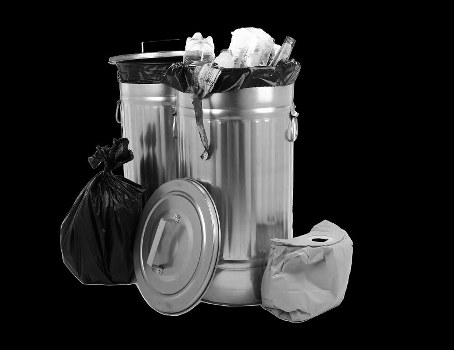
Commercial waste collection is designed for businesses that need regular or one-off removal of unwanted items without disrupting normal operations. That can include office furniture, packaging, redundant equipment, mixed rubbish and waste from fit-outs, moves or reorganisations. The service is suitable when the load is not simply household waste but still needs a professional collection approach with clear handling and disposal arrangements.
For premises that need a fuller clear-out, office clearance and commercial waste disposal are useful references, while business waste removal suits a broader range of workplace loads. If the work involves emptying a workplace rather than removing just a few pieces, office clearances may be the better fit. We can also help where commercial waste includes broken chairs, desks, filing units or mixed disposal items that no longer belong on site.
For business enquiries, useful quotation details include the type of premises, the main waste categories, any lifting restrictions and the preferred timing for access. If the items are spread across several rooms or floors, that is worth saying up front so the removal plan is realistic. One clear list of what needs to go is often better than a long explanation, especially when the collection needs to be arranged around trading hours or building access.
House and property clearances
House clearance work is often broader than ordinary rubbish removal because it can involve clearing many rooms, storage areas and mixed contents in one visit. We handle domestic clearances where the objective is to empty or substantially reduce the contents of a property in a methodical way. That may include furniture, bagged rubbish, general household items and items that have been kept in lofts, garages or spare rooms for too long.
Related services such as house clearance, house clearances and property clearance are useful where the job is more substantial than a single-item pickup. If the property is being prepared after a tenancy, sale or family change, those broader clear-out pages can help frame the work more accurately. We also offer home clearance for general domestic contents removal when the emphasis is on clearing the living space efficiently.
In practical terms, a property clearance quotation usually depends on the amount of contents, access routes, any items that need special care and whether the job involves one floor or several. It helps to know if there are items to separate from the main waste stream, such as documents, valuables or belongings that should stay behind. That kind of detail supports a cleaner plan and avoids misunderstanding later on.
Specialist clearances for lofts, garages and probate
Some clearances need a little more structure than standard rubbish collection because they involve storage spaces, mixed contents or sensitive timing. Loft clearance and garage clearance are common examples: both usually contain an uneven mix of boxes, household items, old tools, furniture and general waste that has accumulated over time. These jobs benefit from a careful approach so the useful access space is not blocked while the load is being removed.
Where the storage area is the focus, loft clearance and garage clearance are the clearest service references. For circumstances linked to estate administration or the contents of a property after a bereavement, probate clearance and probate house clearance are more specific. Those services are intended for cases where the scope of the work goes beyond simple household rubbish and may involve careful sorting of mixed contents.
In this type of job, it is often better to describe the space and the main contents rather than trying to itemise everything at once. A brief list of what is obviously rubbish, what may be reusable and what requires separate attention is usually enough to begin the quotation process. If access is awkward, or if items are stored behind other belongings, mentioning that early helps the collection be planned in a sensible order.
Special items: fridges, white goods and beds
Special item removal is useful when the waste includes appliances or larger domestic pieces that cannot simply be left out with general rubbish. Fridges, freezers, washing machines and similar items need a collection approach that recognises their weight, shape and handling requirements. Bed frames and mattresses may also need separate booking information because they are awkward to move and can be easier to manage when identified clearly from the start.
For appliance-related jobs, fridge disposal and white goods recycle are the most relevant pages, while bed disposal and mattress removal and collection cover sleeping furniture more directly. We also provide furniture removal and collection for mixed loads that include both larger household items and smaller unwanted pieces. These pages help distinguish between general rubbish and objects that require more specific handling.
Before arranging a quotation, it is sensible to mention whether appliances are disconnected and whether the item is upstairs, ground-floor or already outside. That single detail can change the practical setup of the collection. The same applies to beds with frames, headboards or divan bases: if the item has multiple parts, note that rather than calling it one object. Clear descriptions make the booking more accurate and reduce the chance of the wrong service being arranged.
Recycling, disposal and how collections are handled
Not every load is treated in exactly the same way, because waste type, condition and composition all affect how it should be sorted after collection. We work with a practical focus on separating suitable materials and sending them through the right disposal route where possible. That may include recycling streams for certain items, disposal pathways for mixed waste and different handling for bulky household pieces that need special processing.
For customers who want to understand the process further, recycling and sustainability explains the wider approach, while waste recycling and waste disposal are useful pages for the end of the journey. If the load is mixed or simple enough to describe as general rubbish, rubbish removal and waste removal remain the broadest terms. We can also help where a collection needs a measured approach to sorting rather than a quick one-item pickup.
The main point for the customer is to match the service to the contents, not to overcomplicate the enquiry. A short, honest description of what is being removed is enough for a sensible response. If you are unsure whether the job is better treated as clearance, collection or disposal, describe the waste as it appears on site and we can guide the next step. Simple information is usually all that is needed.
About the local area
Rubbish Removal Services operates in an area name that is not specified in the supplied data, so no reliable local profile can be written here without risking invention. The useful commercial focus therefore remains on the service itself: organised rubbish removal, bulky waste collection, domestic clearances and practical disposal support for properties, businesses and mixed loads. Customers usually benefit most when the service description is matched closely to the items involved, the access available and the volume of material to be taken away. That is why the pages listed above separate common categories such as furniture, garden waste, builders waste, house clearance and commercial collections. These distinctions help people identify the most relevant route for a quotation, especially when a job combines more than one kind of waste and needs a clear plan rather than a guess.
When you are ready to move forward, keep the enquiry simple and specific: what needs removing, where it is located and whether anything is particularly large, heavy or awkward. If the load includes mixed domestic and business waste, say so. If it is mainly a single item, name that item directly. Contact us if you would like to request a quotation for the collection you need, and use the pricing page above if you want to compare the main options first. A concise enquiry is usually the quickest way to get the right service arranged.
For customers who prefer to review the practical details before making contact, the main topic pages cover the typical service groups in more detail and show how the work is usually framed. If your load is a straightforward one, a brief message is enough to start the process. If it is a fuller clear-out, a little extra context will help us respond usefully. Request a quotation when you are ready, and the collection can be discussed around the items that actually need to go.
Getting the right collection arranged
The easiest way to arrange rubbish removal is to focus on the load itself rather than trying to categorise everything perfectly. We look at the amount of waste, the kind of items involved and the practical route for taking them away. That means a domestic declutter, a garden clear-out, a few bulky items or a mixed builders waste load can all be handled within a sensible collection framework, provided the description is clear enough to work from. The service is built around ordinary collection needs, not unnecessary complication.
Useful starting points include the broad rubbish collection and waste collection pages when you want a general removal, or more specific pages such as junk clearance, bulky waste collection and home clearance when the job has a clear shape. If the work is linked to a flat, the flat clearance page may be a closer fit; if it concerns an office, the earlier office pages are more suitable. The aim is always to match the collection to the actual contents.
Two short notes are often enough to begin: the main item types and the location of the waste. If anything is unusually heavy, fragile or awkward, say so plainly. Then request a quotation when you are ready, and we can help identify the most suitable collection route for the job you have in mind.