Commercial Waste Disposal in London
Keeping a business premises clean, compliant, and efficient is part of running a successful operation in the capital. From busy high street shops and office buildings to restaurants, warehouses, salons, clinics, and managed residential blocks, commercial waste disposal in London needs to be reliable, flexible, and suited to the realities of local properties. Space is often limited, access can be awkward, and collections need to fit around staff, customers, deliveries, and building rules. That is why many businesses look for a local service that can handle waste properly, keep disruption down, and make life easier day to day.
If you manage a business in London, you may already know how quickly waste can build up. Packaging, office paper, food waste, broken fittings, cardboard, old stock, refurbishments, and everyday rubbish all create pressure on your site. When waste is left too long, it affects presentation, safety, and even how smoothly your team works. A well-organised disposal service helps you stay on top of that mess without taking time away from your core business. It also gives you a practical way to deal with changing volumes, whether you need regular collections or one-off clearances after a busy period, fit-out, or stock refresh.
London businesses also face very specific local challenges. Narrow roads, controlled parking zones, loading restrictions, restricted access times, and building rules can all complicate waste collection. A local team understands the pace of the city and the need for punctual, tidy, and efficient service. That local knowledge matters when your premises are in areas like Westminster, Camden, Islington, Shoreditch, Southwark, Lambeth, Kensington, Chelsea, the City, Canary Wharf, Hackney, or Hammersmith. It matters just as much if your site is in a parade of shops, an industrial estate, a multi-storey office, or a mixed-use development.
Why Commercial Waste Disposal Matters for London Businesses
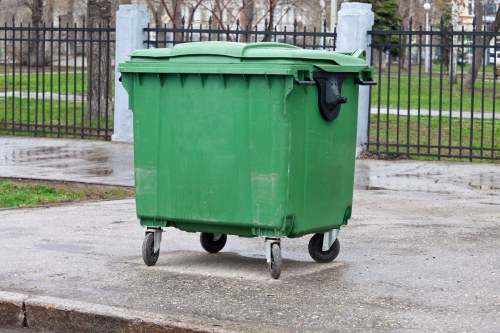
Commercial waste disposal is not just about removing rubbish. It is part of keeping your business safe, organised, and presentable. Customers notice tidy entrances, staff work better in clean environments, and landlords or managing agents often expect waste storage areas to remain clear. In some sectors, waste handling is also tied to hygiene, compliance, and operational standards. Restaurants need food waste removed responsibly. Offices need confidential and mixed recyclables handled properly. Retailers need cardboard and packaging cleared quickly so stockroom space can be used efficiently. For many businesses, waste disposal is a routine service that quietly supports everything else.
London adds another layer of complexity. Many premises are in older buildings with limited storage, shared access, or constrained back-of-house space. Some properties have basement areas, rear alleys, loading bays, or upper-floor service entrances that can make collections more difficult. Other sites are located in modern developments with strict collection windows and specific waste management rules. A tailored service helps you work around those issues rather than letting them become a problem. It can also reduce the risk of overfilled bins, missed collections, and waste left on the pavement or in communal areas.
Businesses also want a service they can trust to be consistent. Commercial waste disposal in London should be predictable enough to support day-to-day operations, yet flexible enough to change when your business changes. Seasonal demand, office moves, refurbishments, and new contracts can all change the amount of waste generated. A good local provider can respond to that, whether you need a short-term uplift or a long-term arrangement.
Who Uses Commercial Waste Services in London?

Commercial waste services are used by a wide range of London businesses and organisations. The exact waste stream may differ, but the need is similar: remove waste regularly, keep the site clear, and make sure disposal is handled in a proper way. Businesses that often need these services include offices, shops, cafes, restaurants, bars, schools, healthcare practices, gyms, warehouses, workshops, estate agents, salons, and hospitality venues. Managed blocks, landlords, property managers, and building contractors also rely on scheduled collections and ad hoc clearances.
Each type of customer has different priorities. An office may mainly need paper, packaging, and general waste removed with minimal disruption during the working day. A restaurant may need frequent collections due to food waste and health requirements. A retail store may need fast cardboard removal after deliveries and stock changes. A construction or fit-out contractor may need heavier clearances involving timber, plasterboard, fixtures, and mixed site waste. That is why the best commercial waste disposal arrangements are not one-size-fits-all.
In London, local surroundings can also shape the service. A business in a busy shopping street may need early morning collection before customers arrive. A site near a station or major road may require precise timing because of congestion or loading restrictions. A business park or industrial estate may need larger volumes cleared on specific days. A local provider understands how those different areas work and can build a collection schedule around them.
What a Local Commercial Waste Disposal Service Can Include

A professional service usually starts with understanding the type and amount of waste your business generates. From there, the right collection setup can be arranged. This may include regular bin collections, skip-style solutions where suitable, one-off waste removals, recycling separation, and clear disposal of bulky or awkward items. Some customers also need help with packaging waste, office clearances, shop refits, or end-of-lease emptying. The aim is to keep things simple and practical for your team.
Typical commercial waste disposal services may include:
- Scheduled general waste collections
- Recycling collections for cardboard, paper, plastics, and mixed recyclable materials
- Food waste removal for hospitality and catering businesses
- Bulky item removal from offices, retail units, and workplaces
- Clearance of stock, packaging, and unwanted backroom items
- Site clearance for refurbishments, fit-outs, and small building projects
- Waste solutions for managed properties and shared commercial buildings
- Flexible one-off collections for urgent or unexpected waste build-up
Some businesses also need support with separating recyclables from general rubbish. This helps reduce contamination, keeps storage areas more orderly, and makes collections more efficient. If your site has limited space, it can be especially helpful to arrange a system that fits the way your team already works. For example, smaller bins in strategic places, labelled containers, or timed uplift schedules can all make a practical difference.
How Commercial Waste Disposal in London Works
Most business customers want a process that is straightforward. The first step is usually a simple conversation about your waste type, frequency, access, and site layout. Once the service is arranged, collections can be scheduled around your opening hours, delivery times, or building restrictions. If your business operates in a location with tight access, it helps to plan around service entrances, security arrangements, loading rules, and any waiting restrictions nearby.
A well-run collection should feel smooth from start to finish. Waste is removed on the agreed schedule, your premises are left tidy, and the setup can be reviewed if your needs change. Many businesses prefer a service that can adapt without making them start over each time their volumes change. That is especially useful in London, where business patterns can shift quickly due to events, seasonal trade, hospitality demand, or office occupancy changes.
For customers who have not used a local waste service before, it is often reassuring to know that the process can be tailored. You do not always need the same level of service as a large chain with multiple sites. A small independent shop in Clapham may need a very different arrangement from a multi-floor office in Holborn or a restaurant in Soho. The right provider will take those differences seriously and build a practical service rather than pushing a generic package.
What to expect from a good setup
A sensible commercial waste arrangement often includes:
- Initial discussion of site type, waste volume, and access conditions
- Collection options based on your opening hours and premises layout
- Clear identification of the waste streams being removed
- Agreed collection frequency, with room for changes if needed
- Practical communication if your volume increases or you need a one-off clearance
That kind of structure is especially useful where several businesses share the same building or service yard. In those cases, it helps to have a plan that avoids confusion and keeps the collection point clear for everyone involved.
Why London Businesses Choose a Local Team

There are real advantages to choosing a local company for commercial waste disposal in London. One of the biggest is knowledge of the area. London traffic, road layouts, parking controls, and access restrictions vary significantly from borough to borough. A local team can plan collections with those realities in mind, which helps reduce delays and missed appointments. That can matter a great deal if your business depends on a tight schedule, early access, or a narrow loading window.
Another advantage is responsiveness. When waste builds up unexpectedly, a local team is often better placed to arrange a faster solution. This can be particularly useful after deliveries, busy trading periods, office clear-outs, changeovers, or refurbishment work. If your staff are already stretched, being able to request a practical waste solution without a long wait is a major benefit.
Local service also tends to be more relevant to the type of property you actually have. London business premises are rarely simple. Some are in converted townhouses, some in basement units, some in above-shop offices, and some in large commercial estates. A provider that understands those layouts can work more effectively. That can save time on collection day and reduce the chance of problems with access, storage, or positioning.
Local knowledge helps with:
- Busy roads and traffic timing
- Controlled parking zones and loading restrictions
- Rear access, alleyways, and shared service entrances
- Building rules for offices, retail units, and managed properties
- Scheduling around customer footfall and staff arrival times
For many customers, that practical local understanding is just as important as the collection itself.
Areas Covered Across London
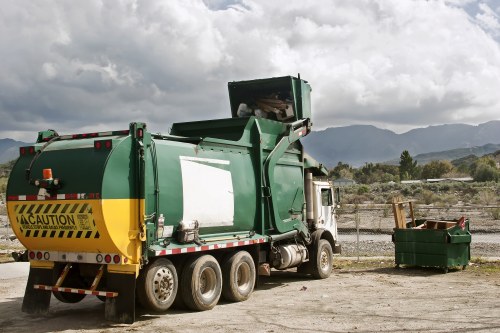
Commercial waste disposal services are needed across the whole capital, from central business districts to outer borough commercial zones. Customers may be based in the City, Westminster, Southwark, Camden, Islington, Kensington, Chelsea, Lambeth, Hackney, Tower Hamlets, Hammersmith and Fulham, Wandsworth, Lewisham, Greenwich, Richmond, Brent, Ealing, Newham, and many other parts of Greater London. This wide coverage matters because business waste needs are not limited to one type of area.
Central London sites may be busy, compact, and time-sensitive. Inner London locations often involve mixed-use buildings, tight access, and shared collection arrangements. Outer London businesses may have more space but still need regular and efficient waste removal, especially in retail parks, industrial estates, office campuses, and commercial strips. Whether your site is near a tube station, a high street, a business park, or a local parade of shops, the service should be planned around your actual location and premises type.
If you operate across several sites, it can be especially useful to work with one local provider who understands the city as a whole. That makes coordination easier and helps keep service standards consistent across different branches or buildings. It also reduces the burden on your team when waste arrangements need to be checked, changed, or added.
Commercial Waste Types Commonly Collected
Different businesses generate different kinds of waste, and knowing what you need to dispose of is the first step toward choosing the right service. Many London businesses deal with a mix of general waste and recyclables, but others need support with more specialised streams. A proper collection setup should match your waste profile rather than making you adapt your operations around it.
Common commercial waste types include:
- General business waste
- Mixed recycling
- Cardboard and packaging
- Office paper and printed materials
- Food waste
- Retail and stock-room waste
- Bulky items and unwanted fixtures
- Construction and refurbishment waste
- Furniture from office changes or relocations
Not every site produces the same materials, so it is usually worth taking a moment to map out what leaves your premises each week. A cafe in Shoreditch, for example, may prioritise food waste and packaging. A law firm in the City may be more concerned with paper and confidential office clearances. A warehouse in East London may need space cleared for pallets, wrapping, and stock movement. A practical service can be shaped around those needs.
What Affects the Cost of Commercial Waste Disposal?
While exact pricing depends on the provider and the waste stream, several factors commonly affect the cost of commercial waste disposal in London. Knowing these factors helps businesses compare services more sensibly and avoid choosing purely on headline figures. The right question is not simply how much the collection costs, but how well it fits your site and how reliably it works over time.
Typical cost factors may include:
- Waste type and whether it needs special handling
- Volume and weight of waste collected
- How often collections are needed
- Access conditions at the property
- Distance, travel time, and local operating conditions
- Whether the service is regular or one-off
- Any additional labour needed for heavy or awkward items
London properties can also create extra practical considerations, such as stairs, basements, lift access, congestion, or limited waiting space. A reputable local company will take those into account when discussing your needs. That way, you get a service that is based on the real conditions at your site rather than an unrealistic assumption.
Tip for businesses planning ahead
If your waste volume changes throughout the year, it is often wise to review your setup before busy periods begin. Retailers may need extra collections before major trading seasons. Offices may need more clearance during moves or refurbishments. Hospitality venues may need additional support around events, holidays, or peak booking periods.
How to Prepare Your Business for Collection
Good preparation helps collections run faster and with fewer interruptions. It is especially helpful in London, where access may be tight and collection windows may be short. By making waste ready in advance, your team can reduce delays and help the collection happen neatly and efficiently. This is particularly important in shared buildings, courtyards, service yards, and premises with limited storage space.
Preparation checklist:
- Separate general waste from recyclables where possible
- Break down cardboard to save space
- Keep walkways, loading points, and service areas clear
- Make sure bins or waste bags are easy to access
- Check building rules for collection times and routes
- Identify any security procedures or access codes in advance
- Set aside bulky items so they are ready for removal
If your business is in a busy part of London, it is also worth notifying staff so that waste is not blocked by deliveries, stock movement, or customer queues. Small practical steps like these can make a noticeable difference and help your waste arrangement work smoothly week after week.
Why Waste Management Matters for Compliance and Presentation
Many businesses think of waste disposal only as a back-of-house task, but it affects far more than that. Poor waste management can create odours, pests, fire risks, trip hazards, and negative first impressions. In commercial settings, waste areas are often visible to staff, visitors, inspectors, and contractors. Keeping them under control helps your whole site feel more professional.
In some industries, waste handling also links closely to operational standards and cleanliness expectations. Food businesses, clinics, salons, and healthcare-related premises often need particularly careful routines. Offices and managed buildings may need to maintain tidy communal storage points. Retailers need to avoid stockroom clutter. In each case, the right collection service supports the wider running of the business.
Reliable commercial waste disposal in London helps reduce the pressure on your staff, keep your site in better condition, and prevent waste from becoming a daily distraction. It also gives you a straightforward way to manage responsibility without wasting valuable time on repeated clear-ups or emergency disposal tasks.
For busy premises
When your team is focused on customers, stock, guests, patients, or deadlines, waste should be one less thing to worry about. A dependable collection plan makes that possible.
What to Look for in a Commercial Waste Partner
Choosing a waste company is not just about arranging collection once. It is about finding a service that works well for your premises over time. For London businesses, the best partner is usually one that is practical, responsive, and clear about how collections will be handled. A good provider should be able to explain what is included, how access is managed, and what happens if your needs change.
Useful things to look for:
- Experience with different business premises and waste types
- Clear communication about collection arrangements
- Flexibility for one-off and recurring requirements
- Knowledge of local access and parking challenges
- Ability to support both small and larger commercial customers
- A sensible approach to recycling and waste separation
It also helps when the company understands that commercial customers need convenience. You should not have to reorganise your business around waste collection. The service should fit your operation, whether you are a small independent business in Brixton or a larger workplace in Canary Wharf, Paddington, King’s Cross, or Stratford.
Frequently Asked Questions
How often should my business arrange waste collection?
That depends on the size of your premises, the type of waste you produce, and how quickly storage fills up. Some businesses need daily or multiple weekly collections, while others are fine with a less frequent arrangement. Restaurants, retailers, and offices often have different patterns, so it is best to plan around your actual usage.
Can you help if we only need a one-off clearance?
Yes, many businesses need a one-off collection after an office move, shop refit, storage clear-out, or stock refresh. One-off services are often useful when waste has built up unusually or when you need to empty bulky items quickly.
What if our building has difficult access?
That is common in London. Narrow entrances, stair access, limited parking, and shared service areas can all affect how collections are arranged. A local provider should be able to work with those conditions and plan accordingly.
Do you handle mixed commercial waste?
Many businesses generate mixed waste, and a service can often be arranged to suit that. Depending on the material, some items may need to be separated so that recycling is handled correctly and the site stays tidy.
Can waste be collected outside normal trading hours?
In many cases, yes. Early morning, off-peak, or pre-opening collections are often preferred by London businesses because they reduce disruption to staff and customers. The best arrangement depends on your premises and operating schedule.
How do I know what type of collection I need?
Start by listing the main waste types your business produces and estimating how much space they take up each week. If you are unsure, a local service discussion can help you work out whether regular collections, recycling support, or a one-off clearance is the best fit.
Book Commercial Waste Disposal in London with Confidence
When your waste setup is working properly, it becomes almost invisible in the best possible way. Bins are emptied on time, your premises stay cleaner, and your team can focus on customers and work instead of clutter and overflow. That is the kind of result most businesses want from commercial waste disposal in London: a service that is simple, dependable, and suited to the way London properties actually operate.
Whether you run a small shop, a busy hospitality venue, an office, a warehouse, or a managed building, the right local service can save time and reduce hassle. It can also help you stay organised during busy periods, reduce strain on your staff, and keep your site looking more professional. If your current setup feels awkward, inconsistent, or too slow for your needs, now is a good time to review it.
Contact us today to discuss your requirements, request a free quote, or arrange a service that fits your London business. If you are ready to make your waste collections simpler and more reliable, book your service now and get started with a local team that understands commercial premises across the city.