Rubbish Collection in London
If you need rubbish collection in London, you are probably looking for a service that is quick, reliable, and practical for city living. London homes and businesses generate all kinds of waste, from a few bulky items after a flat clear-out to regular commercial rubbish that needs removing without disrupting the working day. Whether you live in a mansion block in Kensington, a terrace in Lewisham, a converted warehouse in Shoreditch, or a family house in Walthamstow, the challenge is often the same: you need waste taken away safely, on time, and with as little hassle as possible.
Local rubbish removal is not just about lifting bags and boxes. It is about understanding the realities of London properties: narrow stairwells, controlled parking zones, basement access, shared entrances, lift restrictions, and busy streets where timing matters. A well-organised collection service helps you clear space quickly, avoid clutter building up, and deal with waste in a way that suits your schedule. If you are planning a move, refurbishing a room, clearing out a storage unit, or simply trying to get on top of accumulated rubbish, a local team can make the process much easier.
Many customers also want something flexible. One household may need a one-off collection after a house clearance. A small shop may need regular waste removal after fitting out displays or receiving stock deliveries. Landlords and managing agents may need help with leftover items between tenancies. Businesses in central and inner London often need discreet, efficient collections that fit around opening hours and building access rules. Whatever your situation, the aim is the same: a straightforward service that removes unwanted items responsibly and leaves the space ready to use again.
Local Rubbish Collection for Homes and Businesses
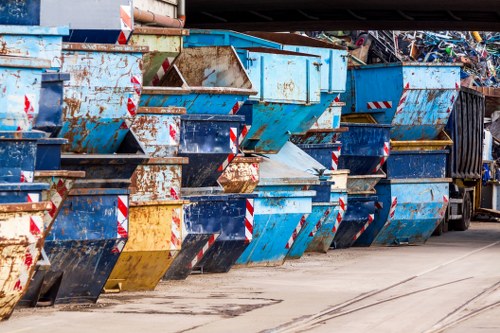
London is a city of mixed property types, and that means rubbish collection needs to be adapted to the building, the street, and the type of waste involved. A top-floor flat in Islington may require careful planning for stair access and parking permits. A townhouse near Clapham Common may have limited front-garden storage, making same-day removal especially useful. A restaurant in Soho may need waste taken away outside busy service hours. A warehouse in Park Royal may need help shifting bulky packaging, timber offcuts, or damaged fixtures without interrupting daily operations.
That is why a local service matters. Experienced crews know how to work around restrictions and keep things moving efficiently. They understand that many London roads are narrow, busy, or subject to loading limitations. They know that some properties have no lift, some have shared halls, and some have tricky access through courtyards or mews lanes. This practical understanding saves time and reduces stress for customers who just want the waste removed properly.
Rubbish collection in London is also useful when you have a mix of waste types. You may have general household rubbish, old furniture, broken appliances, garden waste, bagged junk, cardboard, or light construction debris. Rather than trying to manage multiple trips to a recycling centre, many customers prefer a single collection that clears everything in one go. That is especially helpful for busy households, landlords, shops, offices, tradespeople, and property managers who need an efficient solution.
What Can Be Collected?
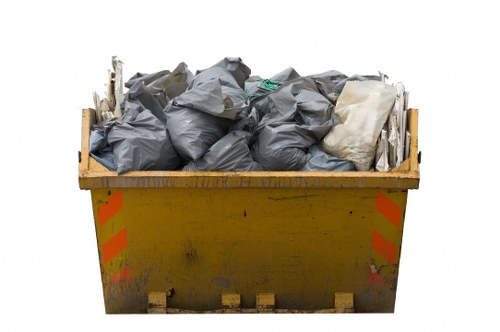
Most customers want to know whether their specific items can be taken away. In many cases, rubbish collection services handle a wide variety of non-hazardous waste, including bulky items and everyday clutter. If you are clearing a room, a flat, a garage, or a commercial unit, the goal is to remove the items you no longer need without leaving you to sort every piece individually.
Common items include:
- Bagged household rubbish
- Old furniture such as sofas, chairs, tables, and wardrobes
- Mattresses and bed frames
- White goods and appliances, where accepted
- Cardboard, packaging, and general mixed junk
- Office furniture and filing materials
- Shop fitting waste and display fixtures
- Garden waste and outdoor clutter
- Light DIY and renovation waste
There are also situations where customers need help with mixed clearance loads. For example, after a tenancy ends, a property may contain broken household items, clothes, bags of rubbish, shelving, and a few leftover kitchen contents. A flexible collection service is often the easiest way to deal with this in one visit. The key is to be clear about what you need removed so the job can be planned properly.
Items That May Need Special Attention
Some waste materials require extra care or are not handled in the same way as standard rubbish. This can include hazardous materials, certain electrical items, or anything that needs separate disposal rules. If you are unsure about an item, it is best to ask before booking so the team can advise what is possible and what needs separate arrangements. Being upfront helps avoid delays on the day and ensures the collection runs smoothly.
How the Service Works

Most customers like rubbish collection because it is simple and saves time. A straightforward service usually begins with describing what needs removing, where the items are located, and how much waste there is. In London, these details matter because access and parking can affect how the collection is carried out. A small pile on the ground floor is very different from a full flat clear-out on the fourth floor with no lift.
Once the job is arranged, the team arrives at the agreed time, assesses the waste, and removes the items from the property or site. If the waste is in a tricky location, such as a basement, rear garden, basement vault, shared hallway, or upper-floor flat, the crew will usually plan the removal accordingly. Good communication before the visit helps the job go faster and keeps everyone clear on what is included.
The final step is responsible disposal. A professional local service will separate and handle waste in line with current disposal requirements, with the aim of diverting recyclable materials where possible. For customers, that means less effort and less uncertainty. You get your space back, and the waste is dealt with in a proper, organised way.
Typical Collection Scenarios in London
- Flat clear-outs: useful after moves, tenancy changes, or downsizing
- Office clearance: ideal when furniture, filing, and equipment need removing
- Household decluttering: perfect for lofts, sheds, garages, and spare rooms
- Shop waste removal: helpful after deliveries, refurbishments, or seasonal changes
- End-of-tenancy clearances: useful for landlords and letting agents
- Trade waste collections: practical for builders, decorators, and fit-out teams
Why London Customers Choose a Local Team

London is different from other places. Waste collection here is not just about van capacity; it is about navigating the city efficiently. Local teams are often better prepared for permit zones, congestion, busy loading bays, restricted access times, and building rules that can change from one street to the next. That can make a real difference when you need rubbish collected without unnecessary delays.
For residential customers, local knowledge is especially valuable in areas with dense housing and limited parking, such as Hackney, Camden, Brixton, Fulham, and Bethnal Green. For commercial customers, it can help in districts where timing is important, such as the City, Canary Wharf, Westminster, and parts of Southwark and South Kensington. In each case, an experienced team can work around the practical challenges that come with operating in London.
There is also a convenience factor. If you are balancing work, childcare, a move, or a renovation, the last thing you want is a complicated collection process. A local service should make things easier, not harder. That means clear communication, sensible arrival windows, efficient loading, and a sensible approach to the varied waste problems that London customers face every day.
Benefits of Choosing a Local Rubbish Collection Service
- Faster response for urgent clear-outs
- Better understanding of local access and parking conditions
- More practical scheduling for busy households and businesses
- Appropriate handling of mixed waste loads
- Useful support for flats, terraces, offices, shops, and managed properties
Areas Covered Across London
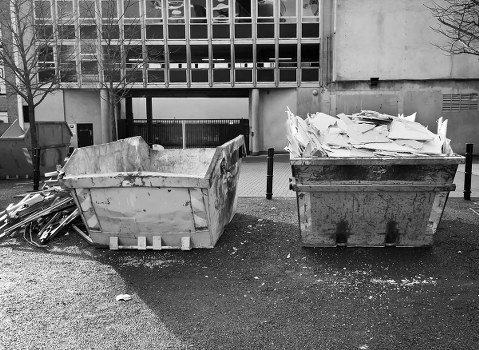
Rubbish collection in London needs to work across a wide range of neighbourhoods, property styles, and day-to-day demands. Customers often book collections in central, east, west, north, and south London, as well as surrounding boroughs where residential streets, business units, and mixed-use buildings create different access needs. The strength of a local service is its ability to adapt to these conditions without making the customer manage the details alone.
Common areas where customers often need rubbish removed include but are not limited to:
- Central London: Westminster, Holborn, Bloomsbury, the City, Covent Garden
- North London: Camden, Islington, Highbury, Crouch End, Finchley
- East London: Hackney, Bethnal Green, Stratford, Bow, Shoreditch, Walthamstow
- South London: Brixton, Clapham, Peckham, Dulwich, Greenwich, Lambeth
- West London: Kensington, Chelsea, Hammersmith, Acton, Ealing, Shepherd’s Bush
These are just examples of the kinds of places where customers regularly need help. The reality is that waste can build up anywhere: a first-floor flat in Kilburn, a shop in Notting Hill, a shared office in Waterloo, or a family home in Wimbledon. The important thing is having a service that can respond quickly and handle the job without forcing you to transport everything yourself.
What Is Included in the Service?
Customers often want to know exactly what they get when they book rubbish collection. While every job is different, a well-run service generally aims to provide practical support from arrival to final removal. That includes planning around access, loading the waste, and leaving the area clear once the items are gone. For many London customers, that is the real benefit: less lifting, less waiting, and less disruption.
Depending on the size and type of job, a collection may include:
- Arrival at the agreed time window
- Assessment of the items to be collected
- Loading waste from the agreed location
- Handling of bulky or awkward items
- Responsible disposal and recycling where applicable
- Basic tidy-up of the removal area
It is worth remembering that different properties in London create different access requirements. A collection from a ground-floor office in Paddington may be straightforward, while a two-bedroom flat in Dulwich with stair-only access may require more time and planning. Good rubbish removal services account for this rather than treating every customer the same.
For Residential Customers
Residential collections are often needed for life admin that has turned into a bigger job than expected. Maybe you have a spare room full of boxes, a shed full of broken tools, or a living room where unwanted furniture has been sitting for months. You may be preparing for a move, making space for a new baby, or clearing a property after a family member has downsized. In these situations, a rubbish collection service can help reduce the burden and make the day feel more manageable.
For Commercial Customers
Commercial customers usually need a service that is efficient, discreet, and adaptable. Offices, retail units, hospitality venues, studios, and small industrial spaces all generate waste in different ways. Old desks, packaging, shelving, redundant equipment, and refurbishment waste can pile up quickly. A local collection team can help remove it in a way that keeps the business running and avoids clutter in customer-facing or staff-only spaces.
How to Prepare for a Collection
A little preparation can make rubbish collection much quicker and smoother, especially in London where access may be limited and parking may be tight. You do not usually need to sort everything perfectly, but it helps to make the collection point easy to reach and to separate anything that should be left behind. If you are clearing a flat, office, or shared building, this can also reduce confusion for neighbours, tenants, or staff.
Preparation checklist:
- Identify which items need removing and which should stay
- Place smaller items together where possible
- Make sure there is a clear path to the waste
- Reserve lifts or inform building management if needed
- Check any parking or access restrictions near your property
- Tell the team in advance about stairs, courtyards, or basement access
- Separate personal documents or valuables before the visit
If you are booking for a busy street in central London or a block with shared entry systems, it can also help to let the service know about entry procedures in advance. That way, the collection can begin without unnecessary delays.
Pricing Factors for Rubbish Collection in London
Many customers ask what affects the cost of a rubbish collection. It is sensible to think about pricing in terms of the job itself rather than assuming a one-size-fits-all figure. The size of the load, the type of waste, the access conditions, and the time needed to remove everything all play a part. In London, local conditions can also influence the time required, particularly where parking is difficult or access is restricted.
Common pricing factors include:
- Volume of waste to be removed
- Type of waste, including bulky items or mixed loads
- Access to the property or site
- Number of stairs, lift availability, and distance from loading point
- Parking and loading restrictions
- Urgency or preferred booking time
- Need for special handling of certain items
Because every collection is different, many customers prefer to request a quote based on the actual waste and access details. That makes it easier to understand what is involved and helps avoid surprises later. If you are comparing options, it is sensible to look at responsiveness, clarity, and suitability for your location as well as the price itself.
Rubbish Collection for Common London Property Types
London’s housing mix creates very real practical differences for waste removal. A Victorian terrace in Tooting may have rear access through a narrow side return. A modern apartment in Canary Wharf may require concierge sign-in and lift protection. A period conversion in Notting Hill may mean multiple flights of stairs and careful hallway navigation. A mews house in Belgravia may offer limited curb space for loading. Knowing these differences is what makes a local collection service genuinely helpful.
Common property situations include:
- Flats and apartments: shared access, lifts, stairwells, and concierge procedures
- Terraced houses: limited frontage, side access, and parking challenges
- Converted buildings: narrow corridors and protected common areas
- Commercial units: loading bay timing, opening hours, and stockroom waste
- Managed properties: communication with building staff and occupancy rules
This attention to detail makes the experience smoother for customers and reduces the risk of disruption. It is especially helpful if you are trying to keep neighbours happy, avoid blocking shared spaces, or complete a clearance within a tight time slot.
When Rubbish Collection Is the Right Choice
There are many moments when collection is the most practical option. You might not need a full clearance, but you still need items gone quickly. If waste has built up in a spare room, a home office, a shop backroom, or a rental property between tenants, waiting for a convenient DIY solution may only extend the problem. Collection is often the right choice when time, access, or volume makes self-disposal inconvenient.
It can be especially useful when:
- You are moving home and need unwanted items removed before handover
- You are preparing a property for sale or letting
- You have bulky items that are hard to move by yourself
- You are renovating and need construction waste cleared
- You run a business that needs occasional waste removal
- You want to free up storage space quickly
For many London households, the biggest advantage is simply getting the job done without turning a weekend into a series of trips, queues, and heavy lifting. A local collection service can take care of the practical side while you focus on the rest of your day.
FAQs About Rubbish Collection in London
Do I need to sort everything before collection?
Not usually. It helps if items are grouped together and anything you want to keep is clearly separated, but many collections are designed to handle mixed loads. If you have a lot of different waste types, mention that when arranging the service so it can be planned properly.
Can rubbish be collected from flats and upper floors?
Yes, in many cases. Flats, maisonettes, and upper-floor properties are common in London. The main thing is to provide clear information about stairs, lifts, and access so the team can prepare for the job.
What if parking is difficult outside my property?
This is very common across London. If parking restrictions apply, it is important to mention them in advance. Local teams are often used to working around controlled zones, loading bays, and limited stopping times.
Is office rubbish collection available outside business hours?
Depending on the provider and the job, commercial collections may be arranged to fit around opening hours or building access rules. This can be useful for offices, shops, and hospitality venues that need to avoid disruption.
Can you collect heavy or bulky furniture?
Yes, bulky furniture is one of the most common reasons customers book rubbish collection. Items such as sofas, wardrobes, desks, and beds are often easier to remove with a professional team than to handle alone.
How do I know what to book?
The best approach is to describe the waste honestly: what it is, how much there is, and where it is located. If you are unsure, ask for a quote based on the details you can provide. Clear information helps ensure the collection suits your needs.
Book Your Rubbish Collection in London
If you are ready to clear space, reduce clutter, or remove waste from your property or business premises, a local collection service can make it simple. From one-off household rubbish to mixed commercial waste, the right team will work around London’s access challenges and help you get the job done efficiently.
Whether you are in a flat near King’s Cross, a townhouse in Battersea, a shop in Hammersmith, or an office in Southwark, the service should be practical, responsive, and suited to your location. Request a free quote, contact us today, or book your service now if you want a straightforward way to deal with unwanted waste without the hassle of doing it yourself. The sooner the rubbish is gone, the sooner you can use the space properly again.
Rubbish collection in London should feel easy, local, and reliable. When you need flexible help for a home, flat, office, shop, or managed property, choose a service that understands the city and the real-life problems that come with it. That way, the collection is not just completed; it is completed in a way that works for you.