Builders Waste Clearance in London
If you are planning a renovation, refurbishment, loft conversion, extension, kitchen refit, or a full property renovation, you will quickly discover that the waste builds up faster than expected. Plasterboard offcuts, broken tiles, timber, packaging, bathroom fittings, rubble, old fixtures, and general construction debris can take over a site in a matter of hours. That is where Builders Waste Clearance in London becomes a practical, time-saving solution for homeowners, landlords, contractors, managing agents, and commercial clients who need the job done properly and without disrupting the wider project.
London properties bring their own challenges. Many homes are on tight streets with limited parking, controlled parking zones, basement access, stair-only flats, mansion blocks, converted terraces, mansion flats, mews houses, and busy commercial premises with strict loading times. A local builders waste clearance service understands these realities and can work around them. Whether you need a one-off clearance after a DIY project or regular removal during an ongoing build, the right service helps keep your site tidy, safer, and easier to manage.
We provide a straightforward service focused on practical results: collecting construction waste, loading it efficiently, and removing it in a responsible way so you can get on with the work. For London customers, speed, access, and reliability matter just as much as the clearance itself. When a room is full of rubble or a hallway is blocked by packaging and broken materials, the project stalls. A local team can make all the difference.
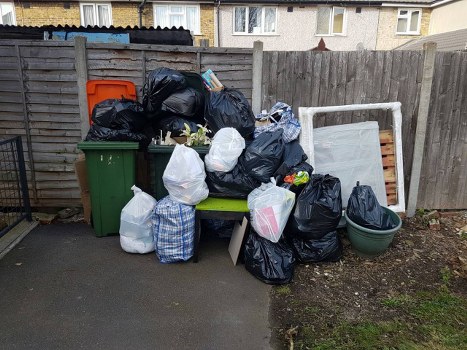
Why builders waste clearance matters in London
Construction and refurbishment work in London often happens in smaller spaces, shared buildings, and busy streets where waste cannot be left for long. Even a modest job can produce a surprising amount of debris. If rubbish is allowed to accumulate, it can create trip hazards, limit access for trades, and slow progress for decorators, plumbers, electricians, and carpenters. In a city where time on site is valuable, regular waste removal keeps the workflow moving.
Builders rubbish clearance is not the same as ordinary household rubbish removal. Construction waste tends to be heavier, more awkward to handle, and more varied in composition. It may include rubble, soil, timber, metals, broken fixtures, packaging from appliances, old bathroom suites, kitchen carcasses, and mixed non-hazardous materials. A service built around this type of waste is better prepared with the right loading methods, labour, and vehicle access.
There is also a safety angle. On renovation sites, loose materials can obstruct exits, damage finishes, and make it harder for other trades to do their work. Removing waste promptly helps maintain a cleaner and more controlled environment. For many London customers, that is important not only for convenience but also for keeping neighbours, residents, or business occupants happy while work is underway.

Who our service is for
Builders waste clearance in London is useful for a wide mix of customers. Some are private homeowners managing a kitchen or bathroom renovation. Others are landlords preparing a flat between tenancies. Many are builders, decorators, and tradespeople who need waste removed during the job rather than waiting until the end. Commercial clients also use clearance services when fitting out offices, shops, restaurants, or hospitality spaces.
Typical customers include:
- Homeowners renovating flats, houses, or maisonettes
- Landlords clearing after refurbishment or maintenance work
- Builders and small contractors needing scheduled site clearances
- Kitchen and bathroom installers
- Property managers and letting agents
- Shopfitters and office fit-out teams
- Developers working on smaller residential projects
- Trades teams that need labour support for loading and removal
London property types vary a lot, and that means clearance needs vary too. A basement conversion in Camden is not the same as a flat refurbishment in Clapham, a terrace renovation in Hackney, or a commercial fit-out near Canary Wharf. Local experience helps because access routes, stairs, parking restrictions, and loading arrangements often shape how the job should be carried out.
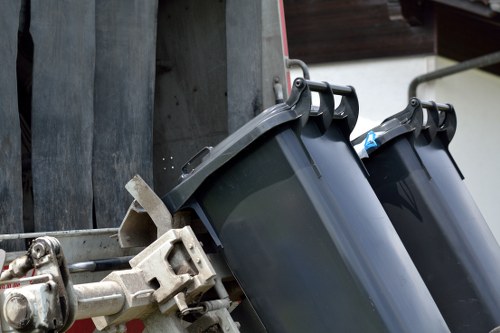
What builders waste clearance can include
A proper builders waste clearance service should handle a wide range of non-hazardous construction debris. The exact load will depend on the project, but common materials include rubble, bricks, tiles, plasterboard, timber, flooring, metal offcuts, carpets removed during refurbishment, old units, packaging, and mixed site waste. Clear communication about what needs removing helps the team arrive prepared.
Examples of waste often collected from London building sites include:
- Broken bricks, concrete, and rubble
- Plasterboard and plaster debris
- Tiles, ceramics, and bathroom fittings
- Wood, joists, skirting, and offcuts
- Kitchen units, worktops, and cupboards
- Flooring, underlay, carpet, and laminate
- Metal, pipework, and general trade scrap
- Packaging, protective wrap, and delivery waste
- Garden waste from landscaping or outdoor works
Some items may require special handling or may not be suitable for standard builders waste removal. If you have questions about particular materials, it is always best to mention them in advance. That way, the service can advise on the right approach before any collection is booked.
How the service works
Customers often want the process to be simple, and that is exactly what a well-run clearance service should provide. The aim is to remove the waste efficiently without adding extra hassle to the project. In most cases, the service begins with a discussion of the material type, access, and volume so the team can understand what is involved.
Once the collection is arranged, the team arrives at the agreed time, assesses the load, and begins removing the waste from the property or site. In London, that may mean navigating stairs, carrying items from a rear garden, using a side passage, or coordinating with a concierge or building manager. The team loads the waste carefully to minimise disruption and works to leave the area tidy once the clearance is complete.
For customers managing a larger refurbishment, it is often helpful to arrange waste removal at stages rather than all at once. This can prevent piles from building up and keep the site more usable for trades. Regular clearances are especially useful where work takes place over several days or weeks.

Typical steps in a builders waste clearance job
- Initial enquiry: Share the type of waste, approximate amount, and property access details.
- Assessment: The team identifies what is involved and any factors that may affect loading.
- Booking: A suitable collection time is arranged around your schedule and site access.
- Arrival and loading: The waste is removed by hand or with suitable equipment, depending on access.
- Transport and disposal: Materials are taken away for responsible processing.
- Final tidy-up: The area is left clear where the waste was collected.
This approach works well for both small jobs and larger site clearances. It also gives builders and homeowners a clearer sense of progress. Once the waste is out of the way, the next stage of the project can begin without unnecessary obstruction.
Book your service now if you want a practical clearance arranged around your renovation timetable.
Why local London knowledge matters
London is not one uniform market. A local clearance team understands that access in Islington, parking in Westminster, narrow stairwells in Southwark, loading restrictions in Kensington and Chelsea, and shared entrances in Walthamstow can all affect the logistics of a job. Knowing how to plan for these conditions saves time and reduces stress on the day.
Local knowledge also helps with residential blocks and managed buildings where rules may apply. Some properties require advance notice, booking loading bays, or working within narrow time windows. Others have lifts that cannot take heavy rubble, so hand-carrying is the only realistic option. A service experienced with London properties is more likely to plan correctly and avoid unnecessary delays.
For commercial customers, local familiarity is equally valuable. Offices, retail units, hospitality venues, and small industrial spaces all have different access patterns and operational needs. Clearance must often happen with minimum disruption to staff, customers, and neighbours. A local team can work with those constraints more easily than someone unfamiliar with the area.

What affects the price of builders waste clearance
Many customers want to know what influences the cost before they request a quote. While exact pricing depends on the job, several common factors affect the final figure. The amount of waste is one of the biggest considerations, but not the only one. The type of material, ease of access, distance from the vehicle, and whether the waste is loose or bagged can all affect how long the clearance takes.
Common pricing factors include:
- Volume: How much waste needs removing
- Weight: Heavy rubble and tiles usually take more effort to move
- Access: Stairs, basements, narrow corridors, or long carry distances
- Parking: Availability near the property and any restrictions
- Material type: Mixed builders waste versus separated recyclable material
- Urgency: Same-day or short-notice work may need special scheduling
- Labour needed: Whether one person or a team is required
Because every project is different, the best way to get an accurate figure is to request a tailored quote based on your actual waste. That is particularly important in London, where parking access, road layout, and building type can change the time required for removal. A clear description of the site usually leads to a quicker and more accurate estimate.
How to prepare for clearance day
A little preparation can make the collection smoother, especially if the site is busy or the waste is spread across several rooms. Before the team arrives, it helps to separate the items that must be removed from the items you want to keep. If possible, place the waste in one accessible area, though this is not always necessary if the team will be collecting from multiple points inside the property.
It is also worth checking access in advance. In London, that may mean confirming if a permit or loading spot is required, making sure gates and doors are unlocked, and letting concierge staff or building managers know about the visit. If there are fragile surfaces, freshly painted walls, or newly fitted floors, mention that too so care can be taken during the removal process.
Here is a simple checklist to help before collection:
- Identify exactly what needs removing
- Keep valuables and reusable materials separate
- Make sure access routes are clear where possible
- Check for parking or loading restrictions near the property
- Inform the team about stairs, lifts, or tight entrances
- Advise if any items are especially heavy or awkward
- Let building managers or neighbours know if needed
Helpful tip for renovation projects
If the work is ongoing, consider planning waste removals around key stages of the build. For example, a kitchen rip-out may produce a large load on day one, while plasterboard, packaging, and offcuts build up later. Staged clearances keep the site manageable and reduce the chance of waste becoming a bottleneck.
Residential builders waste clearance across London
Many of our customers are homeowners or tenants involved in renovations, repairs, or property improvements. London homes often have limited storage, shared entrances, and neighbours close by, so leaving debris on site is not always practical. A prompt and tidy clearance can make home projects feel far more manageable.
Residential clearance is commonly needed after:
- Kitchen refits
- Bathroom refurbishments
- Loft conversions
- Rear extensions
- Internal wall removals
- Flooring replacement
- Garden landscaping
- General DIY and decorating work
Homeowners often value a service that works quietly, tidily, and with respect for the property. In a flat block or terrace, that includes being careful in common areas, keeping disruption down, and removing waste in a way that suits the building layout. This is where a London-based team with real local experience can be especially useful.
Builders waste clearance for landlords, agents, and property managers
Landlords and managing agents often need waste clearance for turnaround work between tenancies, planned refurbishments, or after repairs. In London, rental properties can vary from compact studio flats to large converted houses, and waste may need removing quickly so the property can be re-let or handed back in good condition. Reliable removal helps avoid delays and keeps the project moving between contractors and tenants.
Property managers also need a service that understands shared buildings. Waste left in corridors, front gardens, or communal areas can cause friction with residents and breach building rules. A professional clearance helps avoid those issues and keeps the property presentable. It is also useful when coordinating with multiple trades across a block or portfolio of flats.
For landlords and agents, the real advantage is convenience. Instead of trying to arrange separate collections or leaving debris on site, everything can be dealt with in one controlled visit. That means less administration and a cleaner handover for the next stage.
Commercial and trade support
Builders waste clearance in London is not only for domestic projects. Commercial sites often need fast removal to keep workspaces safe and operations moving. Shopfitters, office fit-out teams, maintenance contractors, and hospitality refurbishments all generate bulky waste that cannot sit around for long. In some sectors, the appearance of the site is also important because work may continue while staff, clients, or customers are nearby.
Trade customers often need support with:
- End-of-day rubble and packaging removal
- Clearances during phased refurbishments
- Removal from upper floors or basement spaces
- Collection from sites with limited loading access
- Waste accumulation after strip-out work
- Ongoing collections during longer projects
When a job is time-sensitive, it helps to work with a local team that can respond flexibly and understand the pressures of building schedules, deliveries, and handover deadlines. That practical flexibility is often more valuable than simply finding the cheapest option.
Areas covered across London
Our builders waste clearance service is suitable for jobs across London, including central areas, inner boroughs, and wider residential and commercial districts. Because properties and access conditions vary so much, local coverage matters. A team that works regularly in the capital is more likely to understand permit rules, loading routes, and common site layouts.
Areas commonly covered include:
- Central London
- North London
- South London
- East London
- West London
- Inner borough locations
- Outer borough neighbourhoods
This can include places such as Camden, Islington, Hackney, Lambeth, Southwark, Tower Hamlets, Westminster, Kensington, Chelsea, Hammersmith, Fulham, Wandsworth, Lewisham, Greenwich, Brent, Ealing, Haringey, and many surrounding districts. If your property is in a part of London with tight access, permit parking, or restricted loading, a local service is especially important.
What makes a good builders waste clearance service
Choosing the right company is about more than simply moving waste from one place to another. You want a service that is responsive, careful, and set up for the realities of London properties. The best providers are clear about what they can take, how they work, and what affects the job on arrival. They should also be able to adapt if the site conditions are more awkward than expected.
Look for signs such as:
- Clear communication before booking
- Experience with residential and commercial sites
- Understanding of London access and parking challenges
- Ability to handle heavy and awkward builders waste
- Respect for the property and surrounding areas
- Flexible scheduling for busy project timelines
- Practical advice on how to prepare
Good service should feel straightforward from the first conversation to the final sweep-up. If a company asks the right questions at the start, that is usually a positive sign that the clearance will be handled properly.
Why customers choose a local team
Local teams can respond faster, understand London streets and restrictions, and adapt more easily to the practical realities of city-based construction work. They are also more likely to know how to manage collections from flats, terraces, commercial units, shared driveways, and basement spaces. For customers, that means less hassle and a smoother experience overall.
Responsible disposal and sorting
Another important part of builders waste clearance is what happens after collection. A proper service should remove waste with care and send it for appropriate sorting and disposal. Construction and renovation debris often contains materials that can be separated, recycled, or processed correctly, depending on the type of waste and local facilities.
Customers increasingly want their waste handled responsibly, especially on larger refurbishment projects where the amount of material can be significant. This is not just a matter of good practice; it also reflects a more organised approach to site management. Knowing that the debris is taken away properly helps reduce concern and keeps the project moving without unnecessary clutter.
If your waste includes anything unusual, fragile, or mixed with standard builders rubble, mention it during the enquiry stage. Clear information makes it easier to determine the best method for removal and disposal.
Frequently asked questions
Can you collect mixed builders waste?
In many cases, yes. Mixed construction waste is common on renovation sites. The exact materials will need to be discussed so the service can confirm what can be taken and how it should be loaded.
Do I need to move the waste outside first?
Not necessarily. Many customers need the waste collected from inside a property, garden, cellar, or upper floor. Access details will help the team plan for the job properly.
What if my property has no parking nearby?
That is common in London. Parking and loading restrictions are part of the planning process, and a local team can advise on how to approach the collection where access is tight.
Can you clear waste during an ongoing renovation?
Yes. In fact, many customers prefer staged removals during an active project so the site stays safer and easier to work in.
Is builders waste clearance suitable for flats and shared buildings?
Yes. Flats, mansion blocks, converted houses, and managed buildings are all common clearance locations. The key is to share access information in advance.
Do you handle commercial jobs too?
Yes. Commercial clearances are often needed for offices, retail units, hospitality venues, and other business premises undergoing refurbishment or strip-out work.
How far in advance should I book?
That depends on the size and timing of the job. Some clearances can be arranged quickly, while larger or more complex projects may benefit from planning ahead. If you need to keep a renovation moving, it is best to enquire as early as possible.
Ready to arrange a clearance?
If you need builders waste clearance in London, the easiest next step is to request a quote and share the details of your project. Whether it is a small home renovation, a landlord property turnaround, or an active building site with regular waste build-up, a local team can help remove the debris efficiently and keep the space workable.
For many customers, the biggest benefit is simple: less mess, less stress, and more room to finish the job. Contact us today to discuss your waste, check availability, and book a service that suits your schedule. Request a free quote if you are ready to move the project forward and want a practical solution from a local London clearance team.