Council Large Item Collection in London
If you need council large item collection in London, you are probably dealing with the kind of bulky waste that cannot simply go out with the weekly bins. Old sofas, mattresses, wardrobes, broken washing machines, carpet rolls, garden furniture, exercise equipment, and other oversized items can quickly become a headache in a flat, a terraced house, a shared building, or a busy commercial premises. This page is designed to help London residents and businesses understand how the service works, what to expect, and when a local bulky waste team may be the most practical choice.
In a city like London, large item removal is rarely straightforward. Streets can be narrow, parking may be restricted, many homes are in upper floors or mansion blocks, and some boroughs have different collection rules. Whether you are moving out, clearing space before a refurbishment, or simply replacing old furniture, a reliable collection service saves time and reduces stress. When bulky items need to go, you want a service that is clear, local, and easy to arrange.
Book your service now or request a free quote when you are ready to clear bulky waste efficiently and responsibly.
Why Council Large Item Collection Matters in London
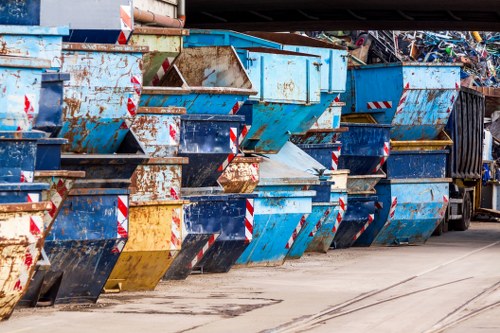
London homes and businesses generate all kinds of oversized waste. Some items are too heavy to move safely without help. Others are awkward, dirty, or impossible to fit into a standard waste bin. That is why large item collection is such a useful local service. It allows residents to remove bulky waste in a controlled, lawful, and organised way.
For many customers, the main benefit is convenience. You may be dealing with a single item, such as a fridge freezer or bed base, or a full room of unwanted furniture. A local service can handle the lifting, loading, and disposal so you do not have to arrange a van, ask friends for help, or make repeated trips to a recycling site. In dense areas of the capital, that can be a real advantage.
There is also a safety factor. Moving heavy items through stairwells, hallways, or communal entrances can be risky. Large objects may damage walls, floors, lifts, and doors if they are handled badly. Using a professional bulky waste collection service reduces that risk and helps keep the property tidy during the process.
London customers often need a flexible option because access is not always simple. Flats above shops, basement conversions, mansion blocks, estates, and converted Victorian buildings can all present different challenges. A local team understands these environments and can plan the collection around them.
What Counts as a Large Item?
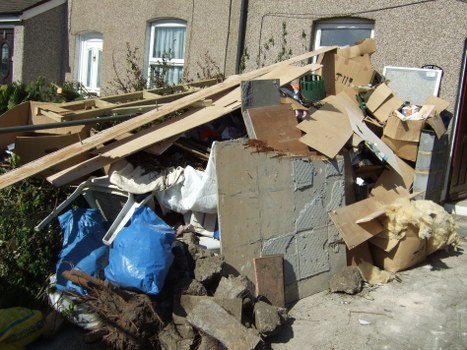
People often ask what can be included in council large item collection services. The answer depends on the provider, but bulky household and commercial items are usually the focus. These are items that are too large or awkward for normal waste disposal and need separate handling.
Common examples include:
- Sofas, armchairs, recliners, and sofa beds
- Mattresses, bed frames, headboards, and wardrobes
- Dining tables, coffee tables, shelving, and cupboards
- White goods such as fridges, freezers, washers, dryers, and dishwashers
- Office furniture, desks, chairs, filing cabinets, and partitions
- Exercise machines, bikes, and larger leisure equipment
- Carpets, underlay, and rolls of flooring material
- Garden furniture, sheds, fencing panels, and some outdoor waste
In London, customers also frequently need help with items from property clearances, end-of-tenancy cleans, probate clear-outs, and refurbishment projects. If you are not sure whether a specific bulky item can be collected, it is best to ask in advance so the team can confirm the right approach.
Important note: some materials may require special handling, especially if they are electrical, contain refrigerants, or include hazardous components. A responsible collection provider will separate these items correctly rather than sending them to the wrong disposal route.
How the Service Works
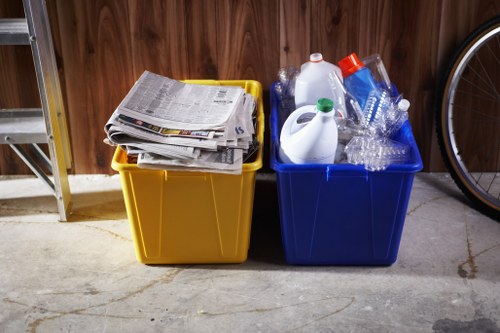
The process for arranging council large item collection in London should be simple from the customer’s point of view. Most people want a clear service that does not create more work than necessary. A well-organised collection typically follows a straightforward pattern: you identify the items, confirm the access, arrange the booking, and the team handles the lifting and removal.
In practical terms, the service may involve one item or multiple bulky items, depending on your needs. Some customers only need a single mattress removed after a bed upgrade. Others are clearing a whole property, emptying a garage, or removing office furniture before a move or refurbishment. The exact service can be shaped around the size of the load and the property layout.
Typical steps include:
- Provide details of the large items you want removed
- Share any access information, such as stairs, lifts, loading bays, or parking restrictions
- Receive a price estimate or quote based on the load and service requirements
- Agree a collection time that suits your schedule
- Prepare the items so they are ready for safe removal
- Have the team collect, load, and transport the bulky waste for appropriate disposal
This type of service is especially useful for London properties where space is tight and time is limited. It removes the need to manage the lifting yourself and keeps the disposal process organised from start to finish.
What Is Usually Included in a Large Item Collection?
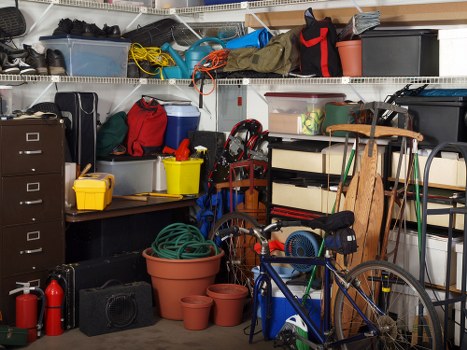
Customers often want to know what they are paying for when they arrange a bulky waste pickup. A proper local service should include more than just arrival with a van. It should cover the practical work that makes the removal safe and efficient.
What is often included:
- Collection of agreed large items from inside or outside the property, depending on access and booking terms
- Loading and lifting by the collection team
- Transport of the items away from the site
- Responsible sorting, recycling, or disposal where appropriate
- Careful handling around entrances, hallways, and shared areas
- Communication about access, timing, and item requirements before collection day
Some jobs are simple and quick, while others need more planning. For example, removing a wardrobe from a second-floor flat with no lift is very different from collecting a single chair from a ground-floor office. London properties vary a great deal, so service planning matters.
Local customers also value clarity. Nobody wants surprises on the day. The more accurate your item description, the easier it is to organise a smooth pickup. If something has been dismantled, wrapped, or moved to a specific location, that can also help the process run faster.
Why a Local London Team Can Be the Better Choice

Choosing a local team for bulky waste removal in London can make a real difference. A provider that understands the city is better prepared for parking constraints, congestion, controlled parking zones, restricted access, and short loading windows. That knowledge can save time and help the collection go ahead as planned.
In many parts of London, property access is the biggest challenge. A house in Walthamstow, a flat in Battersea, a townhouse in Camden, a converted building in Hackney, or a commercial premises in Croydon may all need very different handling. A local crew is more likely to anticipate those details and arrive ready for the conditions on the ground.
Local service advantages often include:
- Better understanding of borough-level access issues
- More practical experience with flats, estates, and shared buildings
- Faster scheduling in busy urban areas
- Clearer handling of loading and parking restrictions
- Familiarity with mixed residential and commercial collections
For many customers, the value is not just in the removal itself, but in how smoothly the service is managed. A local bulky waste collection provider can often offer a more realistic and responsive experience than a distant, one-size-fits-all arrangement.
Areas Covered Across London
London is huge, and different parts of the city have very different property styles and access conditions. A good large item collection service should be able to support customers across multiple boroughs and neighbourhood types, whether you are based in central, north, south, east, or west London.
Areas commonly covered may include:
- Central London areas with tight access and busy roads
- North London neighbourhoods with terraced homes, flats, and mixed-use buildings
- East London districts with apartment blocks, estates, and converted warehouses
- South London locations with family houses, maisonettes, and commercial units
- West London areas with townhouses, flats above shops, and residential developments
Each part of the capital brings its own practical considerations. For example, some areas have limited on-street parking, while others may have concierge access or gated entrances. That is why a London-based collection team is so useful: it can adapt to the property rather than forcing the property to fit the service.
Whether you are in a busy inner-city borough or a more residential outer district, the key is planning the collection properly so the bulky waste leaves the property without unnecessary delay.
Residential Large Item Removal
Homeowners, tenants, landlords, and letting agents all use large item collection services for different reasons. In London, residential clear-outs are common when people move, redecorate, upgrade furniture, or deal with an inherited property. Bulky waste can build up quickly in storage cupboards, balconies, garages, lofts, and spare rooms.
Residential customers often request collections for:
- End-of-tenancy furniture and appliance disposal
- Bulky items left behind after a tenant move-out
- Old mattresses, sofas, and broken beds
- Garage and shed clearances
- Pre-refurbishment or pre-sale decluttering
- Probate and house clearance support
In shared buildings, residents may need to think about communal hallways, lift access, stair width, and neighbour disruption. A careful collection team can help prevent damage and keep the process respectful of other residents. That is particularly valuable in mansion blocks, estates, and converted properties where space is limited.
If you are a tenant or landlord, timing can matter. Move-out deadlines, inventory checks, and refurbishment schedules often leave little room for delay. Booking a bulky waste collection at the right time helps keep the property ready for the next stage.
Commercial Large Item Collection
Businesses in London also need bulky waste solutions. Offices upgrade furniture, shops replace display units, restaurants clear seating, and warehouses often need large items removed as part of a reorganisation or closure. A commercial collection service should be able to work around trading hours, access requirements, and building rules.
Examples of commercial bulky waste include:
- Office desks, chairs, screens, and cabinets
- Shop fittings and shelving
- Café and restaurant furniture
- Reception furniture and waiting room items
- Storage units, racking components, and loose fixtures
- Bulky waste from renovations or relocations
For businesses, time is usually the main concern. A service that can collect efficiently helps reduce downtime and keeps the premises presentable. In busy parts of London, collections may need to be arranged carefully around loading restrictions, building management rules, or customer footfall.
Practical commercial collections are often about minimising disruption. The right team should be prepared to work with your schedule, your access requirements, and the kind of building you operate from.
Preparation Checklist Before Collection Day
Preparing in advance can make your collection much smoother. Even if the collection team handles the lifting, a little organisation from the customer helps the job run faster and reduces the chance of issues on the day. This is especially important in London, where access, time, and parking may be limited.
Before the collection, try to:
- Confirm exactly which items need removing
- Check whether items need to be dismantled or can be left as they are
- Make sure the route to the items is clear
- Remove fragile belongings from nearby areas
- Identify any access codes, gates, or concierge procedures
- Reserve loading space if that is possible and permitted
- Tell the provider about stairs, narrow corridors, or lift restrictions
It is also helpful to separate items you want removed from items you are keeping. In a rushed household or business environment, that simple step can prevent mistakes. If you are clearing a mixed space, label the items clearly or place them together where possible.
Good preparation helps protect your property and makes collection more efficient. The more clearly the large items are presented, the easier it is for the collection team to work quickly and safely.
Pricing Factors for Large Item Collection
People often want to understand what affects the cost of bulky waste removal. While exact prices are not fixed here, it is useful to know the main factors that usually influence a quote. That way, you can give accurate information and avoid delays when booking.
Common pricing factors include:
- The number of items being collected
- The size, weight, and type of each item
- How easy or difficult the access is
- Whether items are on a ground floor or need to be carried upstairs
- Parking availability and collection distance from the vehicle
- Whether dismantling or additional labour is required
- Special handling needs for appliances or mixed waste
A single mattress on a ground floor is very different from a full three-piece suite collected from a top-floor flat with no lift. Likewise, an office clearance involving multiple desks and filing cabinets usually takes more time and resource than a simple household pickup. Accurate information helps produce a fairer and more useful quote.
Request a free quote if you want a clear idea of what your specific collection may involve.
Responsible Disposal and Recycling
Customers in London increasingly want to know that bulky items are handled responsibly. That means more than just taking things away. It means sorting items properly, separating recyclable materials where possible, and making sure electrical or specialist waste is dealt with in the right way.
Furniture may contain wood, metal, fabric, foam, and mixed materials. Appliances often contain components that need separate treatment. A responsible collection service will consider what can be recycled or recovered rather than simply treating every item as general waste. This helps reduce the environmental impact of disposal and supports a more careful approach to waste management.
Why this matters locally:
- London has limited space for waste handling
- Bulky items often contain recyclable components
- Special items may require compliant disposal routes
- Customers want peace of mind that items are handled properly
While the end customer mainly wants the items gone, many people also appreciate knowing the removal process is handled with responsibility and attention to detail.
Common Customer Questions About Council Large Item Collection in London
Below are some of the questions people regularly ask when arranging bulky waste removal across the city. These are practical concerns, not technical ones, and they are often the deciding factor when choosing a service.
Can large items be collected from inside my property?
In many cases, yes, provided access is safe and agreed in advance. The team will need enough space to move the item out without causing damage. If access is tight, it helps to mention that before booking.
Do I need to move the items outside first?
Not always. Some collections can be taken from inside, while others may be arranged for kerbside or front-access pickup. It depends on the property, the item, and the service terms. Always confirm this when booking.
What if I live in a flat with no lift?
That is very common in London. Just explain the floor level, stair layout, and whether there are any tight corners or communal areas to navigate. The team can then plan accordingly.
Can businesses arrange regular or one-off bulky item collections?
Yes. Many commercial customers need one-off removals, but some also need repeated collections during fit-outs, moves, or seasonal changes. A local team can usually adapt to both types of requirement.
What should I do with electrical items?
Let the provider know exactly what you have. Fridges, freezers, TVs, and other electricals may need specific handling. It is best not to mix these with ordinary furniture unless the service confirms it is acceptable.
When to Book a Large Item Pickup
There is no single right time, but most customers book when bulky waste starts to interfere with everyday living or business operations. If a sofa is blocking a room, a mattress is waiting in storage, or old office furniture is taking up valuable space, it is probably time to arrange removal.
Common reasons to book include:
- Moving home or downsizing
- Replacing furniture or appliances
- Ending a tenancy or preparing a rental property
- Renovating a home, flat, or business premises
- Clearing gardens, garages, or storage rooms
- Making space before a sale or inspection
In London, leaving bulky items for too long can become inconvenient very quickly. Hallways become cluttered, rooms feel smaller, and access can get harder. Booking early helps you regain usable space and keeps the property in better order.
Contact us today if you are ready to discuss your items and arrange a suitable collection time.
Choosing the Right Service for Your Property Type
London has an unusually wide mix of property types, and this is one of the reasons a local service matters. A collection from a detached house in outer London is very different from one in a ninth-floor apartment near the city centre. The right provider should be comfortable with both.
Property types that often need careful handling:
- Ex-local authority flats and housing estates
- Period terraces with narrow stairs
- Converted Victorian and Edwardian buildings
- Modern apartment blocks with lift and concierge access
- Mixed-use buildings above shops and restaurants
- Commercial offices and storage units
Each of these settings can affect how the items are removed. A team used to local conditions is more likely to ask the right questions before the job and arrive prepared with the right approach.
That preparation matters because it reduces delays, helps protect the premises, and gives you a smoother experience overall.
How to Get the Best Result from Your Collection
A good bulky waste collection should feel simple, but the best results usually come from a combination of customer preparation and experienced handling. If you want the process to go as smoothly as possible, focus on clear communication and practical access.
Useful tips for a smoother collection:
- Be precise about what needs removing
- Tell the team about any access issues early
- Keep shared pathways clear on the day
- Separate keep items from remove items
- Notify building management if required
- Ask about any items that need special handling
These small steps save time and help the collection crew do the job efficiently. In a busy city, that matters. London customers often want an appointment that is not just available, but dependable and well organised.
Book your service now if you are ready to clear bulky items without the usual hassle.
Why Customers in London Use Bulky Waste Removal Services
There are many reasons people choose a professional service rather than trying to handle large items themselves. The main reasons are usually speed, convenience, safety, and peace of mind. In London, those benefits become even more important because of the city’s logistics and housing mix.
Customers commonly value:
- Less physical strain and safer lifting
- Faster clearance of unwanted items
- Help with awkward or heavy objects
- Practical support for flats and upper-floor properties
- One arranged visit instead of multiple disposal trips
Whether the job is domestic or commercial, local bulky item collection offers a straightforward answer to a problem that otherwise takes a lot of time and effort. That is why it remains such a useful service across London boroughs and neighbourhoods.
If you need council large item collection in London, arranging a local pickup is often the easiest way to clear space and move forward with your plans.
Final Thoughts
Bulky waste does not need to disrupt your home or business for long. With the right collection service, you can remove unwanted furniture, appliances, and other large items safely and efficiently. From a single sofa to a full office clearance, the key is choosing a local team that understands London access, building layouts, parking realities, and the need for reliable scheduling.
When you are ready, request a free quote or contact us today to discuss your items, your property type, and the collection timing that works best for you. A well-planned service can make a big difference, especially in a city where space is valuable and convenience matters.
Ready to clear bulky items?
Book your service now and make room in your property without the stress of moving heavy items yourself.