White Goods Recycle in London
When an old fridge stops cooling, a freezer no longer seals properly, or a washing machine has reached the end of its life, the last thing most London households want is a hassle. White goods recycle in London is a practical, responsible way to clear bulky appliances without stressing about transport, heavy lifting, or what happens next. Whether you live in a flat in Islington, a terraced house in Walthamstow, a converted warehouse in Hackney, or a family home in Wimbledon, arranging appliance recycling locally can save time and reduce the strain of dealing with large, awkward items.
For many customers, the need is simple: get rid of an unwanted appliance quickly, safely, and in line with proper disposal rules. But the reality in London can be more complicated. Narrow hallways, basement kitchens, controlled parking zones, stair-only access, and busy roads all make white goods recycling harder than it looks. That is why a local service matters. A London-based team understands how to collect bulky items from places where access is tight, and how to handle removals from both homes and commercial premises with the right equipment and care.
If you are looking to clear a single appliance or several items at once, the right service should make the process straightforward. You should be able to request a quote, explain what needs removing, and arrange a convenient collection without having to manage loading, lifting, or transport yourself. Book your service now if you want an easier way to deal with old appliances and make sure they are sent for reuse, recycling, or responsible disposal where possible.
Why white goods recycling matters in London
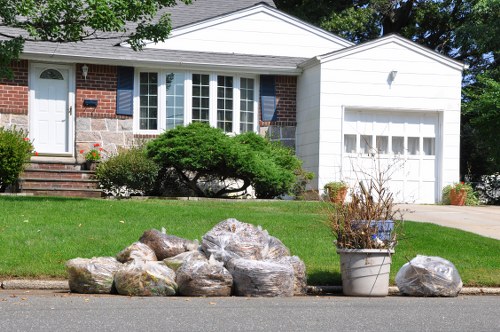
London generates a huge amount of bulky household waste, and appliances are among the most awkward items to handle. A fridge, freezer, washing machine, tumble dryer, dishwasher, oven, or cooker can be too heavy for one person to move safely. Some items also contain materials that should not simply be left at the side of the road or pushed into a general waste stream. Professional white goods recycle in London services help prevent unsafe lifting, illegal dumping, and unnecessary damage to communal areas.
There is also the environmental side to consider. Many appliances contain recyclable metals, plastics, glass, and electrical components. Some fridges and freezers contain refrigerant gases that need proper treatment. Choosing a service that focuses on recycling rather than simple disposal means more of the appliance can be recovered and fewer materials are wasted. For customers across London, that can be an important part of doing the right thing when replacing old equipment.
Commercial customers rely on the same approach. Restaurants, cafes, landlords, letting agents, offices, and facilities managers often need quick appliance removal when a unit breaks down or a property is being refitted. In a city where turnover can be fast and space is limited, having a reliable local team available for collection helps keep projects moving and properties usable.
What counts as white goods?

The term white goods usually refers to larger household appliances used for cooking, cleaning, food storage, and laundry. In many London homes, these are the items that are hardest to replace and hardest to remove. If you are not sure whether your item can be collected, it is usually worth asking for a quote or checking the service details before moving it yourself.
Typical white goods and related appliances include:
- Fridges and fridge-freezers
- Standalone freezers
- Washing machines
- Tumble dryers
- Dishwashers
- Electric ovens and cookers
- Microwaves and combination ovens
- Extractor units and some kitchen appliances
- Air-conditioning units and similar bulky electrical items, where accepted
Not every item is treated the same way. For example, an integrated dishwasher hidden behind fitted kitchen units may need disconnection before collection, while a freestanding fridge in a garage or utility room may be easy to access. A good local team will ask the right questions so that the collection is safe, efficient, and suitable for your building or property type.
How the service works

One of the main reasons people choose professional appliance removal is convenience. In London, many customers simply do not have the time, vehicle access, or physical ability to move a bulky appliance themselves. A local recycling service should make the process clear from the start, so you know what is happening and what to expect on the day.
Most customers follow a simple process:
- Request a quote by describing the appliance or appliances you need removed.
- Provide access details, such as floor level, parking restrictions, lift availability, or whether the item is built-in.
- Arrange a collection time that suits your schedule.
- Prepare the appliance if needed, for example by emptying food or making sure it is disconnected.
- Collection takes place and the item is removed for recycling or appropriate processing.
Some appliances require special handling. Fridges and freezers may need to be fully emptied and defrosted before removal. Washing machines and dishwashers may need water disconnected. Integrated appliances can involve extra care if they are fixed into cabinetry. If you are unsure, it is always sensible to ask before the collection so there are no delays on the day.
What is included in a professional collection?
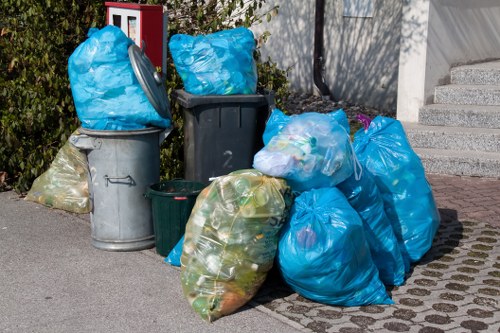
Customers often ask what they are actually getting when they book white goods recycle in London. The answer depends on the provider, but a reliable local service should focus on safe collection, careful handling, and responsible processing of the appliance. This is especially important in busy parts of the city where stairwells, lifts, shared corridors, and timed access windows can complicate the job.
Services commonly include:
- Collection from houses, flats, maisonettes, and commercial premises
- Lifting and carrying from the property to the vehicle
- Removal of single items or multiple appliances
- Attention to stairs, narrow entrances, and limited access
- Sorting for reuse, recycling, or proper disposal routes
- Clear communication about collection requirements
It is important to note that customers may need to complete some preparation first, especially for built-in units, plumbing connections, or electrical disconnection. A good team will explain what needs to be done before the appointment. In many cases, that means you can simply make the item accessible and leave the heavy lifting to the collection crew.
Why local London knowledge makes a difference
London is not a one-size-fits-all city. A collection in Camden may involve controlled parking and a third-floor walk-up. A property in Croydon might have driveway access but a narrow side return. A flat in Shoreditch may be easy to find but awkward to load due to loading restrictions or limited stopping time. This is where local experience really helps.
A team that regularly handles white goods recycling in London understands practical day-to-day issues such as:
- Congestion and timed access windows
- Parking permissions and loading considerations
- Estate access, concierge check-ins, and building rules
- Shared entrances and noise-sensitive environments
- Stair-only properties and long internal walks
- Busy commercial streets with limited stopping space
That local understanding can reduce delays and make the collection smoother for everyone involved. It also means the team is better prepared for the kinds of properties commonly found across London, from period conversions and high-rise blocks to new-build apartments and retail premises.
Who uses white goods recycle in London?
The service is useful for a wide range of customers. Many people first contact a local appliance recycling company when they are replacing a single item, but there are plenty of other situations where collection is helpful. For households, the task may be as simple as removing an old washing machine after a kitchen refit or clearing a fridge after a move. For businesses, the need is often tied to refits, shutdowns, repairs, or property handovers.
Common customers include:
- Homeowners replacing old appliances
- Tenants leaving a rented property
- Landlords preparing a flat for new occupants
- Letting agents managing end-of-tenancy clearances
- Restaurants and food businesses with broken refrigeration
- Offices replacing kitchen and breakroom appliances
- Builders and refurbishment teams clearing out units during upgrades
For landlords and agents, speed and documentation are often especially important. A prompt appliance collection helps properties move back onto the market quickly, while responsible recycling gives peace of mind that old units are not simply being dumped elsewhere.
Preparing your appliance for collection
Good preparation can make the collection faster and easier. In many London properties, the hardest part is not the final removal but making sure the appliance is ready and safe to move. A little planning beforehand can help avoid unnecessary delays, especially if the item is in a tight kitchen or a building with restricted access.
Use this checklist before your appointment:
- Empty the appliance fully, including food, shelves, trays, or loose contents
- Defrost fridges and freezers if requested by the collection team
- Switch off and disconnect electrical items only if you are confident and it is safe to do so
- Turn off water supply if a washing machine or dishwasher is being removed and you have been advised to do so
- Clear the path from the appliance to the door where possible
- Check whether lift access or porter assistance is needed
- Make sure parking or access arrangements are understood in advance
If the appliance is integrated or built in, do not force it out yourself unless you are certain it is safe. Cabinet damage, plumbing issues, or electrical hazards can make the job more complicated. It is better to explain the setup early so the team can plan accordingly.
Pricing factors for appliance recycling
Many customers want to know what affects the cost of white goods recycle in London. Exact prices vary depending on the appliance, access conditions, location, and how many items need to be removed. Rather than guessing, it is usually best to request a quote based on your specific situation so the service can be assessed properly.
Typical pricing factors may include:
- The type and size of appliance
- Number of items to be collected
- Floor level and access difficulty
- Whether the item is free-standing or integrated
- Parking, waiting time, or loading restrictions
- Any special handling requirements
- Distance and service area within London
It is also worth remembering that the cheapest option is not always the best if it does not include proper handling or recycling. A trustworthy service should be open about what affects the quote and should help you understand what is included before you book. If you have several appliances to remove, asking for a combined collection can sometimes be more efficient than arranging separate visits.
Residential appliance removal across London
For homeowners and tenants, appliance recycling often becomes urgent at the point of replacement. A broken freezer or leaking washing machine is not just inconvenient; it can disrupt daily life. In London, where many people live in flats or shared buildings, storing an unwanted appliance until another day is not always realistic. That is why a responsive local collection service is often the simplest solution.
Residential customers commonly need help with:
- End-of-life kitchen appliances
- Old white goods left by previous occupants
- Bulky items after a refurbishment
- Appliances too large for a standard car or lift
- Removal from basements, upper floors, or communal blocks
London homes come in many forms, from Victorian terraces and mansion blocks to modern apartment developments. Each property type has its own access challenges. A local team is better prepared to handle tight front doors, staircases with turns, and building rules around moving heavy items through communal spaces.
Commercial white goods recycling for businesses
Businesses across London also rely on appliance collections. Commercial white goods often need to be removed quickly so trading can continue or a new tenant can move in. Restaurants may need old chillers or freezers cleared after equipment failure. Offices may need kitchen appliances removed during a redesign. Retail units and hospitality sites may need several items taken away at once during a fit-out or closure.
Commercial customers benefit from a service that can manage:
- Bulk appliance collections
- Premises with restricted access
- Timed removal during quieter trading periods
- Coordination with facility or site managers
- Multiple floors or back-of-house areas
- Large, awkward, or heavy equipment
For commercial sites, timing matters. A local London collection team can often work around operational needs more easily than a provider coming from far outside the area. That can make a real difference when space is tight and the item has to be moved out with minimal disruption.
Areas covered in London
Appliance recycling is useful right across the capital, and local coverage is especially valuable where travel, parking, and building access are complicated. Customers often ask whether collections are available in their part of London. In many cases, the answer depends on the route, access, and item type, but local service areas commonly include central, north, south, east, and west London districts.
Examples of areas where customers may need white goods collection include:
- Central London areas such as Westminster, Holborn, and Covent Garden
- North London areas such as Camden, Islington, Haringey, and Barnet
- East London areas such as Hackney, Tower Hamlets, Newham, and Waltham Forest
- South London areas such as Lambeth, Southwark, Lewisham, and Croydon
- West London areas such as Kensington and Chelsea, Hammersmith, Ealing, and Brent
- Outer London areas where houses, estates, and commercial units still need bulky appliance removal
The advantage of using a local team is not just mileage. It is also about understanding where collections are likely to be more difficult and planning around that. Whether you are in a high-rise flat near a station or a suburban property with limited driveway space, the right crew can plan the job accordingly.
What happens to collected appliances?
Many customers want reassurance that their old appliance will not simply be sent away without thought. Responsible appliance recycling means looking at the item properly and directing it to the right route. Some appliances may be suitable for reuse if they are in good condition and meet the necessary requirements. Others may be dismantled so metals, plastics, and electrical components can be recovered.
In general, collected items may be handled in the following ways:
- Reuse where the appliance is suitable and safe to pass on
- Recycling to recover materials such as metal, glass, and plastic
- Specialist processing for items that contain gases, wiring, or components requiring controlled treatment
- Responsible disposal where recycling or reuse is not possible
This process is one of the strongest reasons to choose a proper collection service instead of trying to move or abandon an appliance yourself. It helps reduce environmental impact and gives you confidence that the item has been handled in a sensible way.
Why choose a local company for white goods recycle in London?
A local company brings practical advantages that customers notice right away. The first is convenience. A London team can usually work around the realities of the city more effectively than a provider unfamiliar with local access conditions. The second is flexibility. If you have a tight schedule, are between tenants, or need to clear a kitchen before installation day, a nearby team is often easier to coordinate with.
Other benefits include:
- Better understanding of local building layouts and access limitations
- Faster response to collection requests
- More relevant advice on preparation and parking
- Experience with both homes and businesses
- Reduced inconvenience for stair-only and congested properties
Local knowledge matters because appliance removal is rarely just about lifting an item. It is about planning the route, protecting the property, dealing with access restrictions, and making sure the job is done smoothly from start to finish. That is where a London-focused service adds real value.
Common customer questions
Before booking, many customers have the same practical questions. Below are some of the most common ones, along with straightforward answers that reflect real situations across London.
Can you collect one appliance, or do I need several?
Most customers book for one item, such as a fridge or washing machine. If you have more than one appliance, it is usually worth mentioning them together so the collection can be planned efficiently.
Do I need to disconnect the appliance first?
Sometimes yes, sometimes no. It depends on the appliance and the setup. If it is plumbed in or built in, you may need to prepare it beforehand. If you are unsure, ask before the appointment.
What if I live in a flat with no lift?
Stair access is common in London. A local team should be used to carrying appliances from upper floors, though it is important to describe the access accurately when requesting a quote.
Can you remove commercial appliances from busy premises?
Yes, collections from businesses are common. The key is to arrange a suitable time and make sure the site team knows about access, loading, and any building restrictions.
Do you take built-in appliances?
In many cases, yes, but integrated units usually need special attention. Be clear about what is fixed in place so the collection can be arranged properly.
Practical tips before you book
If you want your collection to go smoothly, a few small checks can make a big difference. London properties often have quirks that are easy to overlook when you are focused on replacing an appliance or clearing a room. Taking a few minutes to prepare can help avoid delays on the day.
Helpful tips include:
- Measure doorways and hallways if the appliance is unusually large
- Check whether there are stairs, tight turns, or low ceilings on the route out
- Confirm parking restrictions if the vehicle will need to stop close to the property
- Tell the team if the item is in a basement, loft, or shared area
- Keep pets and children away from the removal path during collection
- Make sure any required disconnection is completed in advance
These steps are especially useful in older properties and apartment blocks, where the route from kitchen to kerb can be more complicated than expected. When in doubt, describe the layout clearly so the service can plan for it.
How to choose the right appliance recycling service
Not every collection provider offers the same level of service, so it pays to ask a few sensible questions before booking. You want a team that is clear, responsive, and prepared for the realities of working in London. That is especially true if you need a collection from a busy street, a managed block, or a commercial site with access restrictions.
When comparing providers, look for:
- Clear information about the appliances accepted
- Experience with homes and businesses
- Understanding of London access and parking issues
- Easy booking and quote requests
- Responsible recycling and disposal practices
- Communication that explains what preparation is needed
Most importantly, choose a service that makes the process feel manageable. The goal is to remove a heavy, awkward item without creating more work for you. A reliable local collection should save time, reduce stress, and leave your property clear and ready for the next step.
Ready to clear an unwanted appliance?
If you have an old fridge, freezer, washing machine, or other bulky appliance to remove, arranging white goods recycle in London is often the most convenient next step. Instead of trying to organise transport yourself or leaving a heavy item in storage for weeks, you can book a local collection and have the appliance handled properly from start to finish.
Whether you are a homeowner replacing a single unit, a landlord preparing a rental property, or a business clearing out equipment from a commercial site, a local service can help you move forward quickly. Request a free quote or contact us today to discuss your item, your location, and any access details that may affect the collection.
Book your service now if you want a practical, straightforward way to remove unwanted white goods from your London property.
Frequently asked questions
Can white goods be recycled if they no longer work?
Yes. In many cases, broken appliances can still be collected and processed for recycling. Even when an item no longer works, it may still contain recyclable materials.
Do you collect from flats and apartment buildings?
Yes, collections from flats are very common in London. It helps to mention floor level, lift access, and whether there are any building rules or time restrictions.
Can I book multiple appliances at once?
Yes, and this is often the most efficient option. If you are clearing a kitchen, utility room, or commercial site, listing all items together helps the team plan the collection properly.
What if the appliance is built in?
Integrated appliances may need extra preparation. Tell the service exactly what you have so you can be advised on the next steps before the visit.
Is this service suitable for businesses as well as households?
Absolutely. Residential and commercial customers both use appliance recycling services in London, especially when speed, access, and responsible handling are important.
How far in advance should I book?
That depends on urgency and availability. If you have a tight deadline, it is best to enquire as soon as possible so the collection can be scheduled around your needs.