Recycling and Rubbish in London
Making waste removal simpler for homes and businesses across the capital
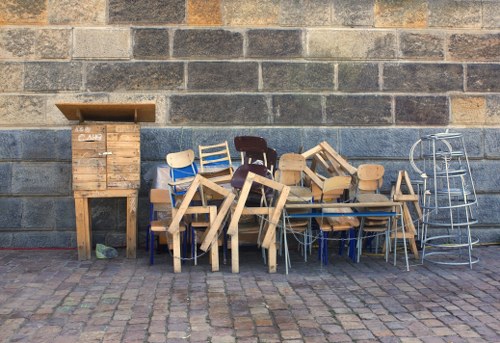
Recycling and rubbish in London is never quite as simple as putting a bag on the kerb and hoping for the best. In a city as busy and varied as London, the way waste is collected, sorted, carried, and recycled depends on the type of property, the amount of material, local access, and how quickly you need it gone. From a flat in Clapham or Camden to a shop in Stratford, a family house in Walthamstow, or an office near Victoria, the practical challenges can look very different.
If you are dealing with household rubbish, garden cuttings, old furniture, renovation debris, or mixed commercial waste, you may want a local team that understands the realities of London streets. Narrow stairwells, basement storage rooms, controlled parking zones, busy loading bays, lift restrictions, and awkward access are all part of the job. A reliable local service can help you clear what you no longer need while keeping the process straightforward, compliant, and as efficient as possible.
This page is designed for real customers who want a practical solution. Whether you are planning a one-off clear-out, managing regular waste from a business, or trying to separate recyclables from general rubbish, the aim is to make the next step clear. Request a free quote, arrange a collection, and choose a service that fits your property, your schedule, and the kind of waste you have.
What recycling and rubbish services can cover in London
Many people search for help with rubbish removal in London when they need more than the council collection can handle. That might mean bulky waste, bags of mixed household rubbish, old appliances, dismantled wardrobes, office chairs, broken shelving, packaging after a move, or post-refurbishment clear-up. A local collection service can usually deal with jobs that are awkward, heavy, or too large for normal bins.
Recycling is just as important. London households and businesses generate a wide range of materials that can be separated for processing rather than sent straight to disposal. Common recyclable items include paper, cardboard, metals, some plastics, glass, textiles, wood, and certain electrical items. On the commercial side, offices, retail units, hospitality venues, and light industrial spaces often produce larger volumes of recyclable material that need efficient sorting and removal.
It is worth remembering that not every waste item belongs in the same container. Some materials require separate handling, and some items may need specialist disposal or extra care. A trusted local team can help you identify what can be recycled, what needs to be removed as general rubbish, and what should be handled separately to avoid contamination or compliance problems.
Why local knowledge matters in London
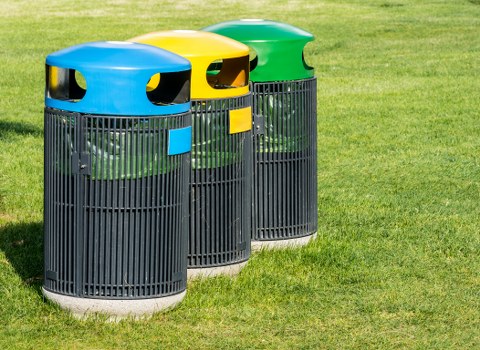
London is not a one-size-fits-all city. A collection in Islington may involve limited parking and timed access, while a property in Richmond could have long driveways, garden waste, and low-hanging branches to consider. In central areas like Soho, Holborn, or Westminster, time windows and loading restrictions can make fast, well-planned waste collection especially valuable. In outer boroughs, the challenge may be distance, volume, or arranging collections around working hours and shared entrances.
Local rubbish removal in London works best when the team understands these differences in advance. Good planning reduces delays and helps avoid missed collections, blocked entrances, or unnecessary disruption to neighbours. It also matters for customers living in apartments, converted houses, mansion blocks, estates, and mixed-use buildings where access can be tricky and waste may need to be moved carefully through communal areas.
A local provider is also better placed to advise on practical questions such as whether a van can stop nearby, whether waste should be bagged or left loose, how much loading time is needed, and what level of sorting is appropriate before collection. That kind of knowledge can make a real difference when you want the job completed smoothly and without fuss.
What is usually included in the service
When people arrange recycling and rubbish collection in London, they often want a service that is simple, clear, and flexible. In many cases, the work can include loading, removal, sorting, transport, and responsible disposal or recycling of the waste collected. Depending on the job, a team may also help with lifting awkward items from inside the property, taking material from a basement or upper floor, and dealing with mixed loads that contain both reusable and recyclable components.
Typical service features may include:
- Collection of household rubbish and bulky items
- Garden waste and green cuttings
- Office clearances and commercial rubbish removal
- Furniture removal and dismantling where needed
- Recycling separation for suitable materials
- Removal from flats, houses, shops, and offices
- Loading from accessible outdoor or indoor areas
- Flexible appointments for busy households and businesses
For many customers, the biggest benefit is not having to manage the heavy lifting or multiple trips to a tip. If you are clearing a property after tenants move out, refreshing an office, or getting ready for decorating work, a reliable collection team can save time while keeping the site tidy.
How recycling and rubbish collection works

Every job is slightly different, but the process is usually designed to be simple. First, you explain the type of waste you have, the amount involved, and where it is located. Then the collection can be planned around access, parking, and any special handling requirements. On arrival, the team assesses the load, confirms what needs to be removed, and gets to work.
In many London properties, waste is not waiting neatly at the front door. It may be in a loft, shed, cellar, rear garden, shared yard, or third-floor flat with no lift. A good collection service is prepared for that. The aim is to remove the rubbish efficiently while respecting the property, neighbours, and building rules. If recycling is part of the job, materials are sorted so that suitable items can be separated from general waste where possible.
After collection, the waste is taken away for proper processing. Recyclable materials are directed into the relevant channels, while non-recyclable waste is handled accordingly. For customers, this means less hassle and a more responsible approach than simply leaving rubbish to pile up or attempting multiple trips yourself.
Common reasons people need rubbish removal in London
People contact a local rubbish removal team for all sorts of everyday reasons. Some are small and straightforward; others involve significant clearances or time-sensitive access. The most common situations include:
- Moving home and needing to clear unwanted furniture, boxes, and broken items
- End-of-tenancy clearances for landlords, agents, and tenants
- Spring cleans, loft clear-outs, and decluttering projects
- Garden tidy-ups with branches, soil, and green waste
- Office reorganisations and commercial rubbish removal
- Shop refits, stockroom clearances, and packaging waste
- Post-renovation debris such as wood offcuts, plasterboard, and old fixtures
- Replacing appliances, beds, sofas, wardrobes, and other bulky items
In London, there is often an additional layer of urgency. Parking can be limited, storage space is tight, and waste can quickly become an obstruction in shared areas. Many customers prefer to arrange a fast collection so that hallways, driveways, and workspaces can be cleared without delay.
For businesses, time is often the main concern. Waste sitting in a shop, office, or hospitality venue can affect presentation, storage, and day-to-day operations. A well-timed collection helps keep the space usable and professional, especially in customer-facing areas.
Recycling and rubbish in London for different property types
Flats and apartments
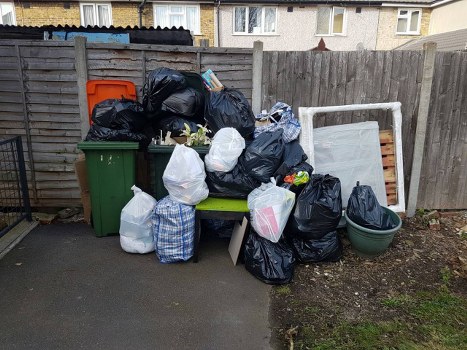
Flat clearances are very common in London, and they often come with their own set of access issues. Staircases can be narrow, lifts may be small or unavailable, and communal hallways may need to be kept clear. Waste may need to be carried carefully through shared spaces, which is one reason why a local collection team with experience in apartment buildings is so useful.
Terraced and semi-detached homes
Homes in boroughs such as Hackney, Haringey, Lewisham, and Ealing may have rear access, side return spaces, or narrow front drives that require careful planning. Garden waste, old furniture, and mixed household rubbish can often be removed in one visit if the collection is organised well.
Offices and commercial units
Businesses across the City, Canary Wharf, Shoreditch, Croydon, and beyond may need regular or one-off waste removal. Office rubbish usually includes cardboard, files, broken equipment, packaging, and furniture. Retail and hospitality sites may also need clearance after deliveries, refurbishments, or seasonal changes.
Flats with communal refuse areas
Many developments use shared bin stores, recycling bays, or service yards. While these are useful, they can also become crowded quickly. A collection service can help remove overflow waste, bulky items, and recyclable materials that are too much for ordinary bins.
Why recycling should be separated where possible
Recycling is not just a practical extra; it is a sensible part of responsible waste management. When recyclable materials are mixed too heavily with general rubbish, they can become harder to recover. Sorting waste properly can help reduce the amount sent for disposal and support a cleaner, more efficient process overall.
For London residents, recycling can be especially important because of limited storage space. Flats and smaller homes may not have room to hold bags of cardboard, glass, or old textiles for long. Businesses, meanwhile, may produce large quantities of clean packaging and office waste that should be kept separate where possible. A good local collection team can make this easier by helping you decide what belongs in the recycling stream and what should be treated as rubbish.
Some of the materials commonly considered for recycling include:
- Cardboard and paper
- Metals, including scrap metal and cans
- Glass containers
- Certain rigid plastics
- Wood and timber, depending on condition
- Textiles and fabric items
- Electrical appliances and small WEEE items, where appropriate
It is still important to check how items are presented. Clean, dry, and separated materials are usually easier to process. If you are unsure, asking before collection can save time and prevent unnecessary mixing of waste types.
Practical preparation checklist before your collection
How to make the job quicker and easier
A few simple steps can help your rubbish removal go more smoothly. If you are preparing for a collection in London, especially in a tight-access property, a little organisation goes a long way.
Preparation checklist:
- Identify the items you want removed and separate them from anything staying
- Keep recyclable materials apart from general rubbish if possible
- Check whether items are in a loft, cellar, garden, or communal area
- Make sure access routes are clear where you can do so safely
- Note any parking restrictions, gate codes, or delivery instructions
- Tell the team about heavy, fragile, or awkward items in advance
- Remove personal belongings from drawers, shelves, and cupboards before clearance
- Let building management know if your property has shared access rules
If you are clearing a business premises, it can also help to assign one person to confirm what stays and what goes. That avoids confusion on the day and keeps the collection focused. For larger jobs, taking a few photos beforehand can make it easier to discuss the amount of waste and the access conditions.
Book your service now if you already know what needs to be taken away. A prompt collection can prevent waste from building up and help you reclaim valuable space sooner.
What affects pricing for rubbish and recycling collections
Every London waste collection is different, so pricing is usually shaped by the specifics of the job rather than a flat one-size-fits-all approach. Customers often want to understand what changes the cost before they request a quote, and that is sensible. Clear pricing factors make it easier to compare services and choose the right option.
Common pricing factors include:
- Volume of rubbish or recycling to be removed
- Type of waste, including bulky, heavy, or mixed items
- Access conditions such as stairs, lifts, or narrow passages
- Parking and loading restrictions
- Distance from the vehicle to the waste
- Whether items need dismantling or special handling
- Urgency and preferred time of collection
- Any sorting, segregation, or specialist disposal needs
Commercial collections can also depend on how often waste builds up and whether the site needs regular support or a one-off clearance. For example, a small office refresh may be straightforward, while a full retail strip-out may require more time and labour.
For customers, the key is to provide accurate details when asking for a quote. Describing the material honestly, including where it is located, helps the team give a more useful estimate and plan the right vehicle and staffing for the job.
Why choose a local company for Recycling and Rubbish in London
Benefits that matter to households, landlords, and businesses
Choosing a local company for Recycling and Rubbish in London can make the whole process more manageable. Local teams are typically familiar with borough layouts, traffic patterns, access limitations, and the realities of working in densely populated areas. That experience can reduce delays and make collections smoother from the start.
Reasons local customers often prefer a London-based service:
- Better understanding of city access and parking issues
- More suitable planning for flats, terraces, and commercial premises
- Faster response for urgent clearances
- Practical knowledge of neighbourhood layouts and loading conditions
- Help with mixed waste from homes, offices, and retail spaces
- A more convenient option for repeat collections or ongoing support
For landlords and letting agents, local support is particularly helpful when a property needs clearing between occupiers. For businesses, it can mean less disruption to staff and customers. For homeowners, it can be the difference between an all-day hassle and a straightforward, well-organised collection.
Contact us today if you want a local team that understands London properties and can help remove rubbish with minimum disruption.
Areas covered across London
Waste collection needs are spread across the whole capital, and local demand can vary widely from one borough to another. A good service should be able to support customers in central, north, south, east, and west London, as well as surrounding areas with similar access and traffic challenges.
Areas often include, but are not limited to:
- Central London locations such as Westminster, Camden, Holborn, and the West End
- North London areas including Islington, Tottenham, Finchley, and Enfield
- East London districts such as Hackney, Stratford, Bow, and Canary Wharf
- South London neighbourhoods including Brixton, Clapham, Wimbledon, and Lewisham
- West London areas such as Kensington, Hammersmith, Ealing, and Acton
- Outer boroughs and residential districts with homes, estates, and business units
Each area presents slightly different logistics, but the need is often the same: clear waste quickly, keep the process tidy, and handle recyclable materials responsibly. If your property is in a location with limited access, shared entrances, or controlled parking, it is especially helpful to choose a team used to working in London every day.
Frequently asked questions
Can you collect both recycling and general rubbish in one visit?
Yes, many jobs involve a mixture of recyclable materials and general waste. The key is to let the team know what you have so the load can be assessed properly and sorted where suitable.
Do I need to move everything outside before collection?
Not usually. In many cases, items can be collected from inside the property, a garden, a shed, a basement, or a communal area. If access is tight or your building has specific rules, it helps to mention that in advance.
What kinds of items are commonly removed?
Typical items include furniture, white goods, cardboard, packaging, office waste, garden waste, broken appliances, and renovation debris. If you have unusual or heavy items, ask before booking so the service can be planned correctly.
Is recycling always possible?
Not every item can be recycled, and some mixed loads contain materials that need to be separated carefully. A collection service can help identify what should go into recycling and what should be treated as general rubbish.
How do I prepare for a flat clearance?
Clear access routes where possible, separate anything you want to keep, and tell the team about stairs, lifts, or communal restrictions. In London flats, those details make a big difference to the time and ease of the collection.
Can you help with office and shop waste?
Yes. Offices, shops, and other business premises often need clearances for furniture, packaging, stock room clutter, and mixed rubbish. If the collection needs to happen outside normal opening hours or around busy trading times, mention that when arranging the job.
When to arrange a collection
It makes sense to arrange rubbish removal sooner rather than later if waste is taking up space, blocking access, or getting in the way of daily life or business operations. In London, clutter can build quickly, especially in properties with limited storage. The longer rubbish sits around, the more inconvenient it becomes.
Some customers book a collection after a move, a refurbishment, a tenancy change, or a major sort-out. Others prefer regular support to keep commercial waste under control. In either case, booking early helps the team plan for access and ensures the right approach is taken for the material involved.
If you are unsure whether your items are suitable for collection, ask before you book. A quick conversation can clarify whether the waste is recyclable, whether it needs separate handling, and what information is needed for an accurate quote.
Choose a practical, local approach to waste removal
London customers need more than a generic waste service. They need a practical solution that respects the realities of city living: tight spaces, busy streets, mixed property types, and the need to sort recyclable materials properly. That is why a local, well-organised collection service can be such a useful choice for households, landlords, and businesses alike.
Whether you are clearing a single item, emptying a property, or dealing with regular rubbish and recycling, the right team can help make the process efficient and far less stressful. From apartments and family homes to offices and retail units, a sensible approach to collection can save time, reduce hassle, and keep your premises in better shape.
Request a free quote today and arrange a collection that suits your location, your waste type, and your schedule. If you are ready to clear space and move on with the job, book your service now.