Health and Safety Policy for Rubbish Removal Services
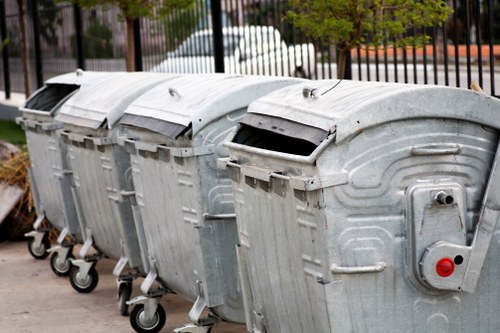 This health and safety policy sets out the standards and responsibilities that support safe, efficient, and professional rubbish removal services. It applies to all workers, contractors, and supervisors involved in the collection, handling, transportation, and disposal of waste. The aim is to reduce risk, protect people, and maintain compliance through consistent safe working practices. Every rubbish removal activity must be planned with care, carried out with appropriate controls, and reviewed regularly to ensure continuous improvement.
Our policy recognises that waste collection and clearance work can involve physical strain, sharps, unstable items, contaminated materials, and moving vehicles. For this reason, all operations must begin with a risk assessment that identifies hazards and defines the correct control measures. A safe rubbish removal service depends on preparation, awareness, and disciplined procedures. Workers are expected to follow instructions, use safe lifting techniques, and report concerns immediately if conditions change.
 We are committed to creating a workplace where health, safety, and wellbeing are treated as core responsibilities rather than afterthoughts. This includes providing suitable training, maintaining safe equipment, and ensuring that people are competent for the tasks they perform. Good housekeeping is essential: work areas must be kept clear, load spaces must not be overloaded, and waste must be sorted and handled with care. No person should be asked to undertake work that cannot be done safely.
Responsibilities and Safe Working Standards
Management has overall responsibility for implementing this rubbish collection safety policy, monitoring standards, and supporting staff with the resources required to work safely. Supervisors must ensure that tasks are properly planned, hazards are communicated, and protective measures are in place before work begins. Workers must take reasonable care of their own safety and the safety of others, follow procedures, and use equipment only for its intended purpose. Safety is a shared duty, and everyone must contribute to maintaining safe operations.
Personal protective equipment must be worn where required, including gloves, safety footwear, high-visibility clothing, and any additional protection needed for the task. PPE does not remove risk on its own, so it must be used alongside proper handling methods and sound judgement. In rubbish removal operations, workers may encounter broken glass, sharp metal, biohazards, or heavy items. Such materials must be assessed before handling, separated where necessary, and disposed of according to safe practice.
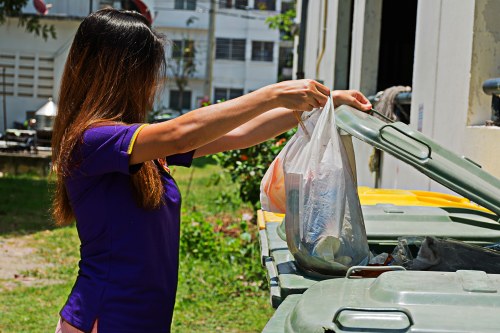 Manual handling is one of the most common risks in waste removal services, and reducing strain is a key part of this policy. Staff should assess the weight, shape, and stability of each item before attempting to move it. Where possible, team lifts, mechanical aids, trolleys, or loading equipment should be used. If a load appears awkward, too heavy, or unsafe, the task must stop until a safer method is identified. Preventing injury is always more important than speed.
Risk Control and Operational Safety
Vehicles, loading areas, and storage points must be organised to avoid collisions, trips, and falls. Drivers and crew members must remain alert to reversing movements, blind spots, and uneven surfaces. Pedestrian access should be separated from vehicle activity wherever possible. In addition, all rubbish removal services must ensure that loads are secured properly before transport, preventing items from shifting or falling during transit. Safe movement of waste protects both workers and the public.
Hazardous or contaminated waste requires special attention. Workers must not handle unknown substances without proper instructions and controls. If items such as batteries, chemicals, medical waste, or sharp contaminated objects are found, they should be isolated and reported. A safe waste removal policy depends on knowing when to proceed and when to stop. Training, supervision, and clear procedures help ensure that hazardous materials are treated responsibly and that exposure risks remain low.
Emergencies, incidents, and near misses must be reported and reviewed promptly. This includes injuries, property damage, vehicle incidents, spills, and any situation where a safe process was not followed. Records should be used to identify trends and improve the way rubbish removal tasks are carried out. In the event of an accident, first aid should be provided where needed, the area made safe, and the incident escalated in line with the organisation’s procedure. Learning from events supports better control in the future.
Training, Monitoring, and Review
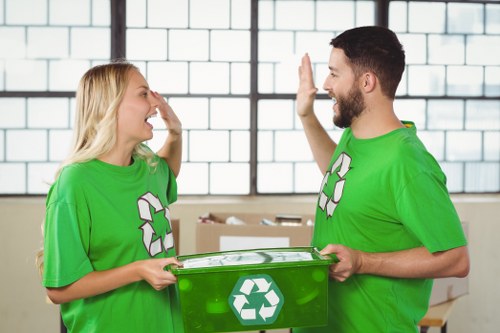 All personnel must receive suitable induction and refresher training covering manual handling, PPE use, lifting methods, hazard recognition, and emergency response. Training should also address the specific risks associated with rubbish removal, including confined access areas, unplanned obstructions, and contact with potentially harmful materials. Competence must be checked regularly, and new or changing tasks must not be assigned without adequate instruction. Safe work relies on informed people who understand both risks and controls.
Regular monitoring is required to confirm that this rubbish removal health and safety policy remains effective. Supervisors should inspect vehicles, tools, and work practices, and take corrective action where standards fall below expectations. Equipment must be maintained in safe working order, and defects should be reported without delay. Continuous improvement is essential to keep safety measures practical, current, and effective. Where opportunities arise to reduce manual effort or improve segregation, they should be acted upon.
 This policy will be reviewed periodically to ensure it remains suitable for the nature of the work, the risks involved, and any changes in operations. Updates may be made following incidents, legal changes, equipment changes, or feedback from safety inspections. Everyone involved in the service is expected to support this commitment by following safe systems of work and maintaining a respectful, alert, and responsible approach. Through these standards, rubbish removal services can protect workers, clients, and the wider community while delivering reliable service.