020 3875 4109
 020 3875 4109

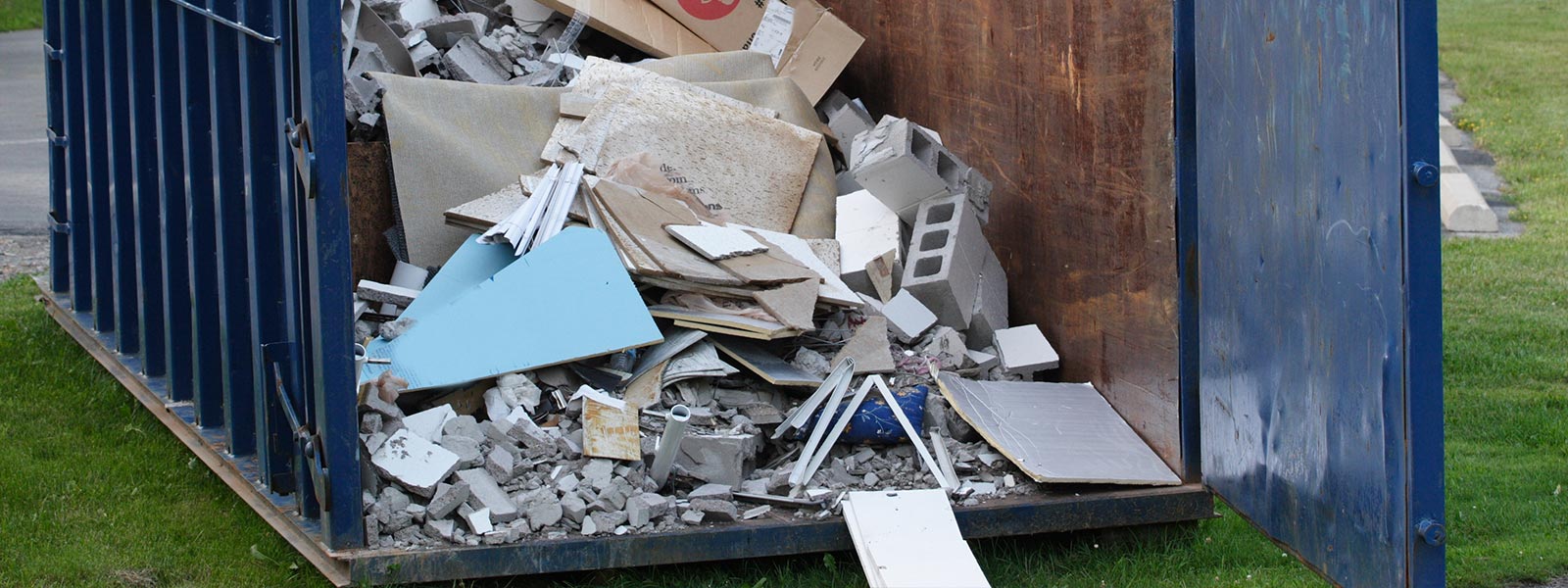


Safe Disposal of Bricks and Rubble
Posted on 19/09/2025
Construction and renovation projects can generate significant amounts of waste, including bricks and rubble. Proper disposal of these materials is essential to maintain environmental sustainability and comply with local regulations. In this article, we will explore various methods and best practices for the safe disposal of bricks and rubble.
The Importance of Safe Disposal
Before diving into the methods of disposal, it's crucial to understand why safe disposal is important. Improper disposal can lead to environmental pollution, legal fines, and safety hazards. Bricks and rubble left unattended can accumulate and disrupt the ecosystem.
Methods for Safe Disposal
1. Reuse and Recycling
One of the best methods for disposing of bricks and rubble is to reuse or recycle them. Many construction companies and recycling centers accept clean bricks and rubble to repurpose them for new projects. This method reduces waste and minimizes the need for new resources.
2. Hiring Professional Waste Removal Services
Another effective way to ensure safe disposal is by hiring professional waste removal services. These companies are equipped with the tools and knowledge to handle construction waste correctly. They can sort, transport, and dispose of the materials according to local regulations.
3. Renting a Skip Bin
For larger amounts of bricks and rubble, renting a skip bin can be a practical solution. Skip bins come in various sizes and are convenient for collecting and disposing of waste. Ensure the skip bin provider follows environmentally friendly disposal practices.
4. Donating Unused Bricks
If the bricks are in good condition, consider donating them to community projects or non-profit organizations. Many community centers and DIY enthusiasts can make good use of leftover bricks for their projects.
5. Creating a Gabion Wall
A creative way to reuse bricks and rubble is by constructing a gabion wall. Gabion walls are wire cages filled with construction waste that can be used for landscaping and erosion control. This method repurposes waste materials effectively.
Environmental and Legal Concerns
Disposing of construction waste without considering environmental and legal implications can have serious consequences. Make sure to check local regulations regarding the disposal of bricks and rubble. Some areas have specific guidelines on how to handle construction waste to prevent environmental damage.
Tips for Safe Disposal
1. Separate Your Waste
Before disposal, separate different types of waste. Sorting materials like bricks, concrete, and other rubble can make it easier to recycle and dispose of them properly.
2. Clean the Bricks
Ensure that bricks and other materials are free from hazardous substances like lead paint or asbestos. Cleaning the materials before disposal can make them suitable for recycling or reuse.
3. Label Bins Clearly
If you are using multiple containers for waste separation, label them clearly to avoid mixing different types of waste. This makes it easier for recyclers to process the materials.
4. Plan Ahead
Plan the disposal process before beginning your project. Knowing how you will handle the waste can save time and reduce the risk of improper disposal.
5. Educate Your Team
If you have a team working on the project, educate them about the importance of safe disposal and how to handle waste materials. This ensures everyone is on the same page.
Pros and Cons of Safe Disposal Methods
Pros
- Reduces environmental impact
- Complies with local regulations
- Promotes sustainability
- Conserves resources through recycling and reuse
- Minimizes safety hazards
Cons
- Can be time-consuming
- May incur additional costs for professional services or skip bins
- Requires careful planning and coordination

Key Takeaways
- Proper disposal of bricks and rubble is essential for environmental protection and legal compliance.
- Reuse and recycling are the best methods for minimizing waste.
- Professional waste removal services offer a convenient and safe disposal option.
- Always check local regulations to ensure compliance.
- Plan and educate your team to ensure proper waste handling.
Conclusion
Safely disposing of bricks and rubble is not only a regulatory requirement but also a crucial step towards promoting environmental sustainability. By following best practices such as reusing, recycling, and hiring professional services, you can ensure that your construction waste is handled responsibly. Proper planning and education are key to managing waste effectively, thereby reducing your project's environmental footprint and contributing positively to the community.
Latest Posts
Long-Term Clutter Control: Practical Advice for Lasting Order
Eco-Innovation in Cardboard and Packaging Disposal
Avoid Landfills: Guide to Proper Pot and Pan Recycling
 House clearance
 Rubbish collection